Correct The Conditions Affecting Your Commercial Crawl Space
A damp or deteriorating crawl space creates an ongoing concern beneath a commercial property. Musty odors, visible mold growth, damaged materials or uneven floors indicate that moisture has begun affecting the space. Commercial crawl space remediation addresses those existing conditions while helping control the moisture that allowed them to develop.
G.L. Hunt evaluates the affected area to identify what is happening beneath the building and determine the appropriate corrective measures. The resulting remediation plan uses the steps needed for the crawl space’s specific condition instead of relying on one standard product or treatment.
What Does Commercial Crawl Space Remediation Involve?
Commercial crawl space remediation addresses existing moisture, humidity and deterioration beneath a building. It begins with an assessment of the entire area to identify where moisture is collecting, which materials have been affected and whether exposed ground is contributing to the problem.
The remediation plan is based on the property’s condition and the extent of the damage. Corrective work may include encapsulation, a vapor barrier or dehumidification, while structural supports are recommended separately when the evaluation identifies weakened components.
When A Commercial Crawl Space Needs Remediation
Crawl spaces are easy to overlook during daily operations, especially when access is limited or the area is not included in routine property inspections. The first signs of trouble may appear inside the occupied portion of the building rather than beneath it.
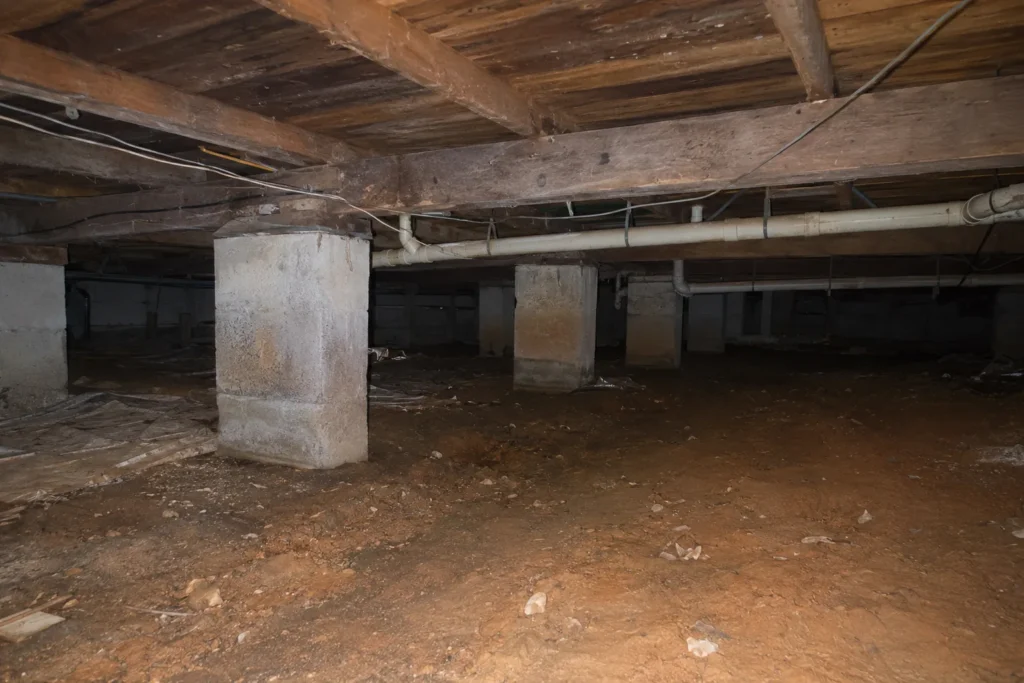
A professional evaluation is appropriate when you notice:
- Persistent musty odors inside the property
- Visible mold growth in the crawl space
- Damp, discolored or deteriorating materials
- Standing water, condensation or consistently high humidity
- An incomplete, damaged or missing vapor barrier
- Sagging or uneven areas that may indicate a support concern
- Recurring moisture after a previous repair or cleanup
These signs do not always reveal the full extent or source of the problem. Remediation begins with a comprehensive evaluation so the recommended work addresses the crawl space as a whole instead of responding to one visible symptom.
Correcting More Than Surface-Level Symptoms
Cleaning a visible area or covering exposed soil does not fully resolve a compromised commercial crawl space. Effective remediation addresses the conditions allowing moisture and humidity to persist beneath the property.
The remediation plan accounts for moisture movement from exposed ground, inadequate separation from surrounding conditions and insufficient humidity control. It establishes the protection needed to create a drier, more manageable environment beneath the building.
Structural concerns require a separate response. If the evaluation identifies damaged or weakened components, G.L. Hunt determines whether additional support belongs within the project scope.
Crawl Space Mold Remediation And Moisture Control
Visible mold growth confirms that the crawl space has been exposed to excess moisture. G.L. Hunt addresses the environmental conditions contributing to that growth by limiting ground moisture, improving separation and controlling humidity within the treated space.
G.L. Hunt does not directly remove or treat mold. When mold removal is necessary, a qualified mold remediation provider handles that work while G.L. Hunt completes the moisture-control measures required to help prevent the same damp conditions from continuing.
How G.L. Hunt Approaches Crawl Space Remediation
Commercial remediation begins with an assessment of the accessible crawl space. This allows our team to understand the current conditions before developing a proposed scope of work.
The process generally includes:
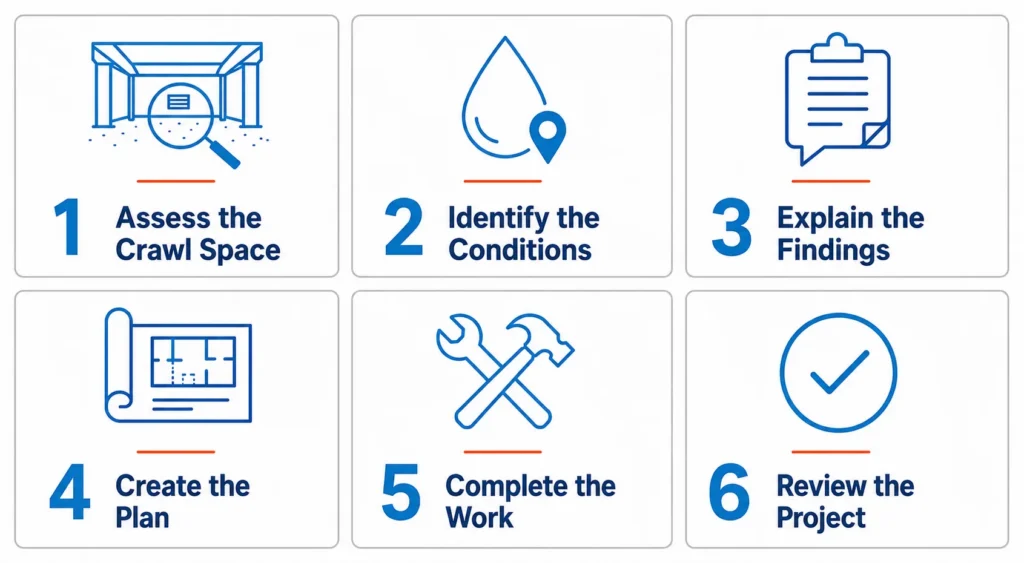
This property-specific approach helps commercial decision-makers understand what the work is intended to correct and why each recommended component belongs in the plan.
What Affects The Cost Of Crawl Space Remediation?
Commercial crawl space remediation is priced according to the scope of work required. The size, accessibility and condition of the space determine the labor, materials and corrective measures needed to complete the project.
Cost factors include:
- Crawl space size and accessibility
- Extent of moisture damage or material deterioration
- Amount of exposed ground requiring coverage
- Recommended moisture protection
- Dehumidification requirements
- Labor and materials
- Structural support needs identified during the evaluation
An on-site assessment establishes the appropriate scope and provides a reliable basis for pricing. This allows G.L. Hunt to develop the estimate around the property’s actual condition rather than a brief description of the symptoms.
Commercial Remediation Experience Since 1987
Commercial crawl space problems often involve connected conditions, restricted access and coordination around an occupied property. G.L. Hunt has served customers since 1987, giving our team decades of experience evaluating commercial crawl spaces and completing property-specific remediation work.
As a family-owned company, G.L. Hunt approaches every project with honesty and integrity. We clearly explain the conditions observed, connect each recommendation to those findings and identify the corrective measures the property requires.
This straightforward approach gives business owners, property managers and facility decision-makers the information they need to evaluate the proposed scope and make a confident decision.
Request Commercial Crawl Space Remediation
If moisture, mold growth or deterioration has compromised the crawl space beneath your commercial property, G.L. Hunt can evaluate the conditions and develop an appropriate remediation plan. Contact our team to request a commercial crawl space assessment.
Related Articles
For more expert information about your foundation, crawl space and drainage needs, check out our helpful articles!