Commercial Foundation Repair And Slab Support In Texas
Foundation movement can surface during a tenant complaint, property inspection, renovation or structural review. Floors may fall out of elevation, interior finishes may separate or planned build-outs may no longer align with the existing slab.
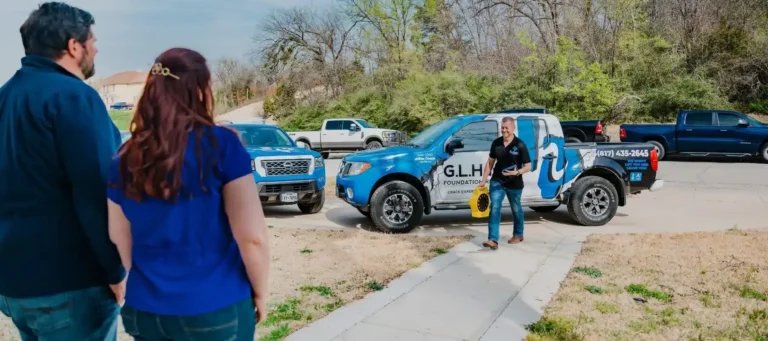
G.L. Hunt Commercial provides commercial foundation repair across Texas, combining diagnosis, independent engineering partners and a vetted crew network under one company. The work starts with a diagnostic question — what is moving, and why — and ends with a repair plan engineered for the structure and its operating requirements.
An Engineered Approach To Commercial Foundation Problems
Commercial foundation repair begins with more than identifying visible cracks or uneven floors. The assessment must account for the building’s structural system, loading conditions, elevations, drainage and intended use.
Plans, load calculations and structural review come from our network of licensed third-party engineers when required. This allows the commercial team to move from site findings to an engineered repair scope while keeping core structural review and repair planning under one company.
The repair system depends on the structure and the cause of movement. Commercial foundation capabilities include:
-
- Concrete pier systems
-
- Steel pier systems
-
- Hybrid pier systems
-
- Slab foundation repair
-
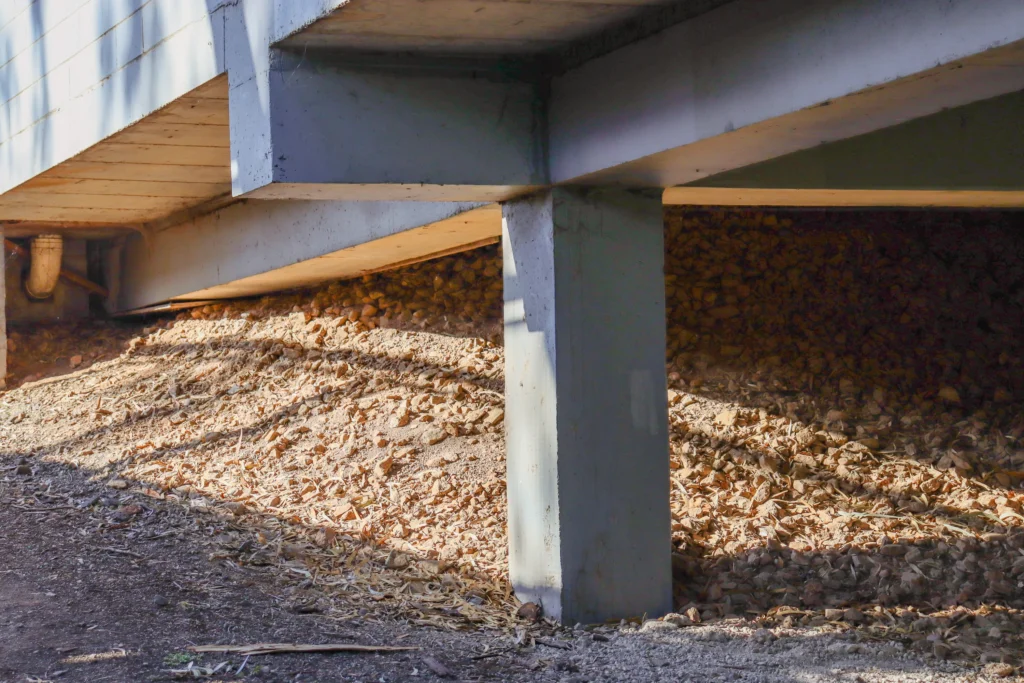
- Pier-and-beam support
-
- Building leveling
-
- Foundation monitoring
-
- Structural support installation
What We Install
Commercial pier work uses concrete piers, steel piers and hybrid pier systems. When project specifications call for a system we do not install, the commercial team will say so up front and refer the work to an appropriate provider rather than substitute a different system without explanation.
When To Request A Commercial Foundation Assessment
Most commercial foundation problems surface during ordinary business: a tenant reports sloping floors or sticking doors, a property condition assessment or Phase II report flags movement, a build-out won’t align with the slab, or the same symptoms start appearing across a portfolio. None of that confirms cause or extent on its own — a site visit separates cosmetic damage from active movement.
From Diagnosis To Executed Repair
G.L. Hunt follows a structured sequence designed for commercial properties and the people responsible for them.
1. Site Assessment and Elevation Review
The team visits the property, documents visible conditions and reviews how the issue is affecting the building, its occupants or planned work. Elevation data and structural observations help document current conditions, identify affected areas and understand the apparent pattern of movement.
2. Engineering And Repair Planning
When engineering is required, plans, load calculations and structural review come from our independent engineering partners. The recommended system is based on the structure and documented conditions rather than a standard proposal applied to every building.
3. Scope And Phasing
The commercial team explains the findings, proposed repair system and access requirements. Work may be phased around occupied spaces and operational constraints when the project allows.
4. Installation And Documentation
Foundation work is completed by crews G.L. Hunt trains, vets and holds to the G.L. Hunt standard on every job. The repaired areas are reviewed against the approved scope, with project documentation coordinated as required.
For slab areas that need to be lifted through polyurethane foam injection rather than structurally supported with piers, see commercial concrete and slab leveling.
How The Repair Scope Gets Priced
Commercial foundation repair pricing depends on the conditions documented at the property. The size and type of the structure, extent of movement and selected pier or support system all shape the scope.
Engineering requirements, access beneath or around the building and the number of affected areas may also influence the project. For occupied properties, the plan may need to account for phased work, restricted access or coordination with tenants and facility staff. Related drainage or crawl space conditions can also affect what must be addressed.
A commercial assessment bases the scope on site findings rather than assumptions.
Backed By A Limited Lifetime Warranty
Commercial foundation repair is backed by a limited lifetime warranty. Specific terms vary by project and will be reviewed by the commercial team.
Why Commercial Buyers Work With G.L. Hunt
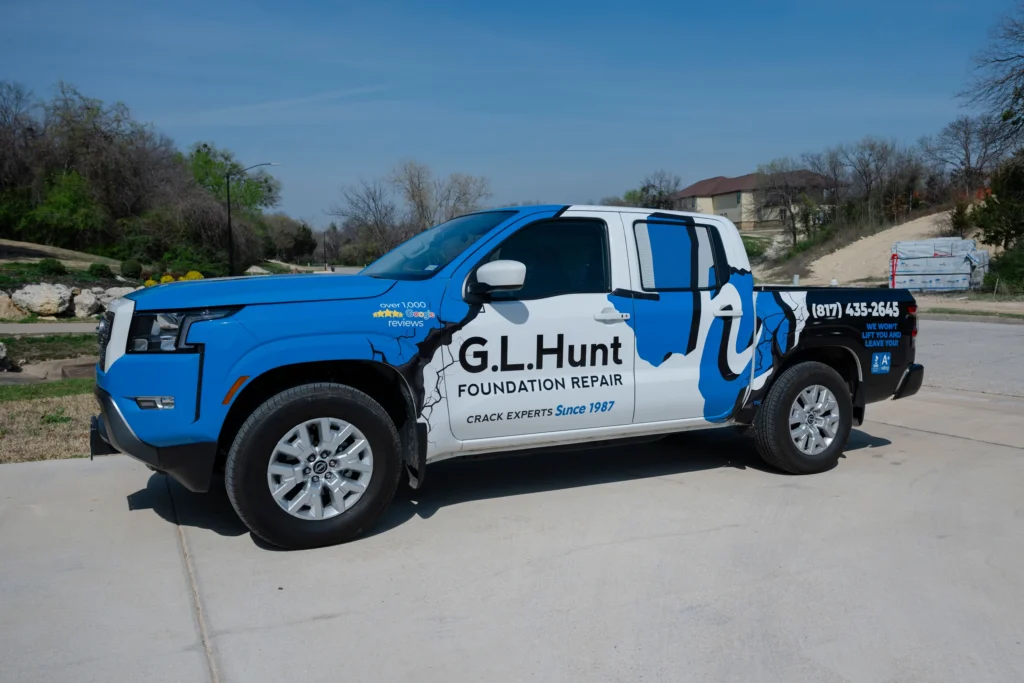
G.L. Hunt has served Texas property owners since 1987 and remains independently owned and operated by the founding family.
Commercial projects are supported by independent engineering partners and a highly trained, vetted network of foundation crews. With offices across Texas, the company can also coordinate work for multi-property portfolios through one point of contact.
That structure gives facility directors, property managers and building engineers a clear line of accountability from the initial assessment through the completed repair.
G.L. Hunt has earned more than 8,000 five-star Google reviews company-wide.
Learn more about statewide services through the G.L. Hunt Commercial hub. Properties with moisture or structural concerns below pier-and-beam buildings may also require commercial crawl space remediation.
Request a Free Commercial Foundation Assessment
Whether a foundation concern surfaced during an inspection, tenant build-out or routine property operation, G.L. Hunt can assess the structure and put a clear repair plan in front of you. Request a Free Commercial Assessment to get started.
Related Articles
For more expert information about your foundation, crawl space and drainage needs, check out our helpful articles!