Protecting The Spaces That Bring Communities Together
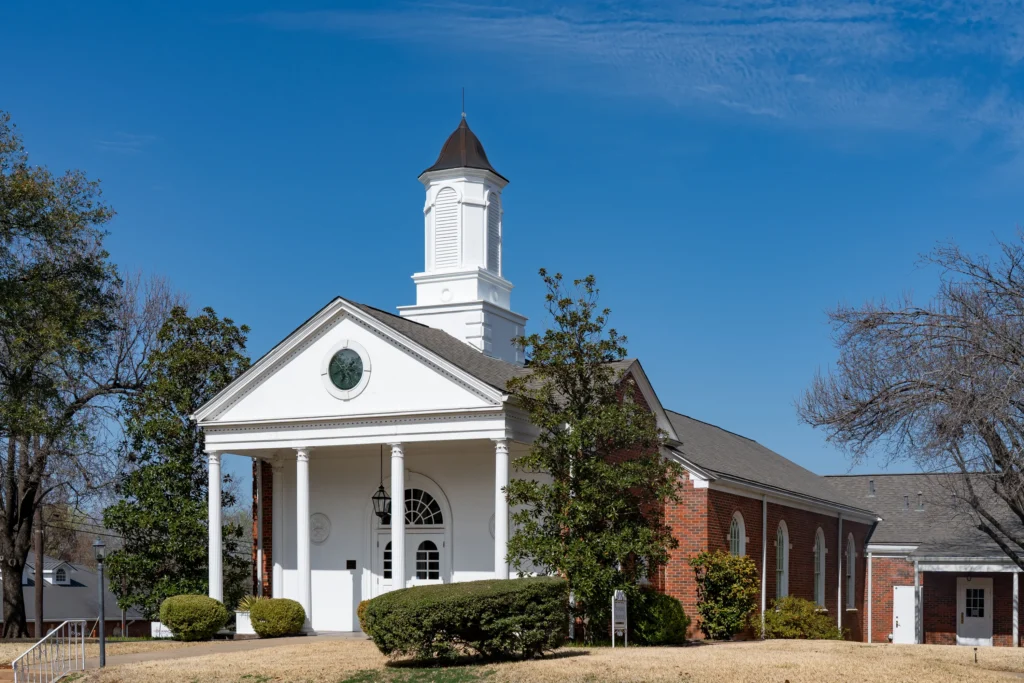
Faith-based properties serve as places of worship, education and community support, often in buildings constructed or expanded over many years. Movement between a sanctuary and a later addition can affect floors and connecting corridors, while drainage problems across the campus can place continued stress on buildings and outdoor gathering areas.
G.L. Hunt evaluates these concerns with the property’s purpose and schedule in mind. Since 1987, we’ve helped Texas organizations address structural and site-related problems with repair plans suited to the buildings, grounds and people who use them.
One Property May Include Several Building Conditions
A church campus rarely consists of a single, uniform structure. Sanctuaries, fellowship halls and education wings may have different foundation types or construction histories. Covered walkways and parking areas connect those buildings, creating a property where one concern sometimes extends beyond the location where damage first appears.
Cracks near a building addition could indicate movement between connected sections. Uneven sidewalks may reflect concrete settlement or water repeatedly reaching the same area. Inside the facility, sloping floors and doors that no longer close properly deserve further evaluation, particularly when the changes continue or appear in several rooms.
Our team examines the visible damage and the surrounding conditions to determine what is causing the problem. This provides faith-based leaders with a clearer understanding of the property before repair decisions are made.
Repair Solutions For Churches And Faith-Based Campuses
Recommendations depend on the type of building, the affected area and how the property is used. We develop each scope around the documented concern rather than applying the same repair method across every part of the campus.
Commercial Foundation Repair
Foundation movement may affect a sanctuary, classroom wing or administrative building differently. Wide interior spaces and connections between original structures and later additions also require careful evaluation. When movement is confirmed, G.L. Hunt determines which sections are affected and develops a repair plan suited to the foundation type.
The recommended solution may include commercial piering or underpinning when additional foundation support is required. Engineering documentation can also be incorporated into the project when appropriate. The scope addresses the conditions found while accounting for access to occupied portions of the facility.
Commercial Concrete And Slab Leveling
Uneven concrete affects the routes members and visitors rely on to enter and move between buildings. Settled sidewalks, entrance approaches and gathering areas can create difficult transitions, particularly during busy services or community events.
When the slab remains structurally suitable, leveling restores a smoother, more accessible surface without full replacement. Severely deteriorated concrete requires a different repair method. Our team identifies the right approach based on the slab’s condition and the cause of the settlement.
Commercial Drainage Solutions
Effective drainage begins with understanding the full path of runoff across the campus. Large roofs shed water quickly during heavy rain, while parking lots and paved areas influence where it travels next. Without a clear route away from the property, water collects near entrances, saturates the soil around foundations or repeatedly reaches low sections of walkways.
Our team traces these patterns and develops improvements that move water away from vulnerable areas. The resulting plan addresses the broader drainage issue instead of treating each puddle or saturated area as a separate problem.
Planning Work Around Worship And Community Use
A faith-based facility’s schedule extends beyond weekly services. Many campuses host weekday programs, school activities, outreach events and private gatherings. Repair planning must account for how people enter the property and which parts of the facility need to remain available.
G.L. Hunt reviews scheduling and access requirements before work begins. Projects may be phased when the repair method allows, helping the organization maintain access to essential areas while work progresses. If a serious property concern develops unexpectedly, emergency or after-hours response is available for qualifying situations.
What Do Repairs Cost At A Faith-Based Property?
The investment depends on the building involved and the extent of the concern. Leveling a section of walkway requires a different scope than stabilizing a sanctuary foundation or correcting drainage across a larger campus.
Our team assesses the property before developing recommendations and pricing. The assessment considers the necessary repair method, site access and any engineering requirements. Scheduling or phasing needs are also incorporated into the scope, giving organizational leaders clear information for budgeting and approval.
Commercial Experience Faith-Based Leaders Can Trust
Commercial clients receive a clear evaluation of the concern and a repair plan developed around the property. For campuses with several affected buildings or outdoor areas, we coordinate related foundation, concrete and drainage needs within a broader plan.
Since 1987, G.L. Hunt has remained independently owned and operated by the founding family while helping Texas property owners address structural and site-related concerns with solutions tailored to the conditions found.
Request An Evaluation For Your Faith-Based Property
Property concerns should not be allowed to disrupt the spaces where people worship, gather and serve their communities. A professional evaluation provides the information needed to understand the issue and plan the appropriate repair.
Contact G.L. Hunt to request a commercial property evaluation for your church or faith-based organization.