The Contractor You Choose Also Represents Your Name
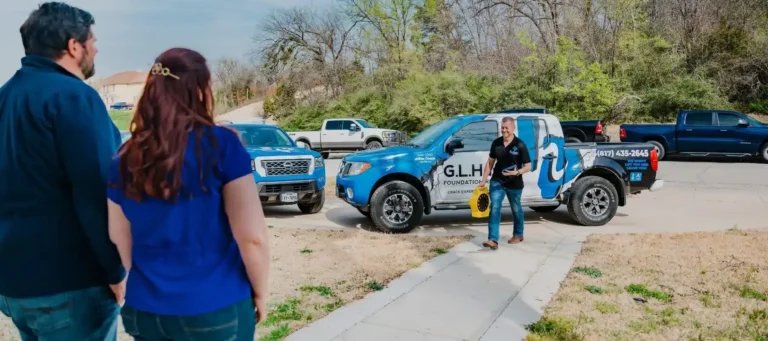
Hiring a foundation contractor is a decision about whose work, communication and follow-through will represent the builder to the homeowner or end client. Texas homebuilders and general contractors bring G.L. Hunt into that relationship at different points: new construction pier work, punch-list items at completed properties, and post-closing foundation repair or warranty concerns.
At each stage, the work has to fit the builder’s schedule, protect the client relationship and keep responsibilities clear among G.L. Hunt, the builder and the end client.
Support At Different Stages Of The Builder Relationship
Builders’ needs change as a project moves from active construction into closeout and warranty, and each stage carries different expectations. On active jobs, that can mean new construction pier work and slab support coordinated with superintendents and other trades. At closeout, it can mean punch-list concrete or drainage corrections identified during or after site completion. After closing, the work shifts to warranty foundation repair and the evaluation of movement or elevation concerns at a finished home, which brings occupied-property scheduling, finish protection and communication with residents into the picture.
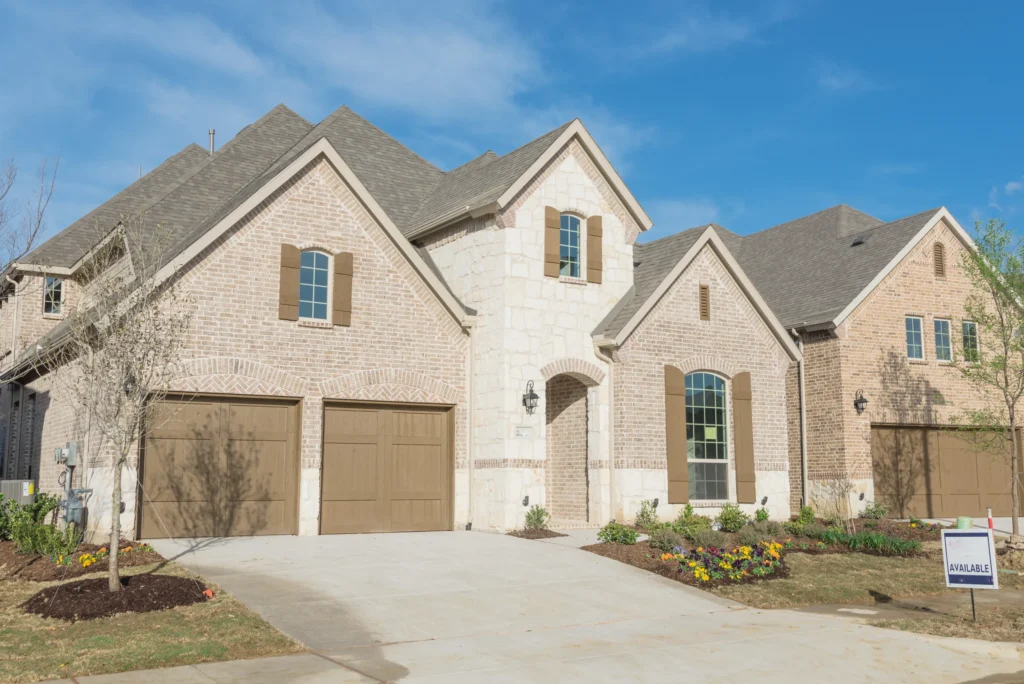
New Construction Pier Work Has To Fit The Build Schedule
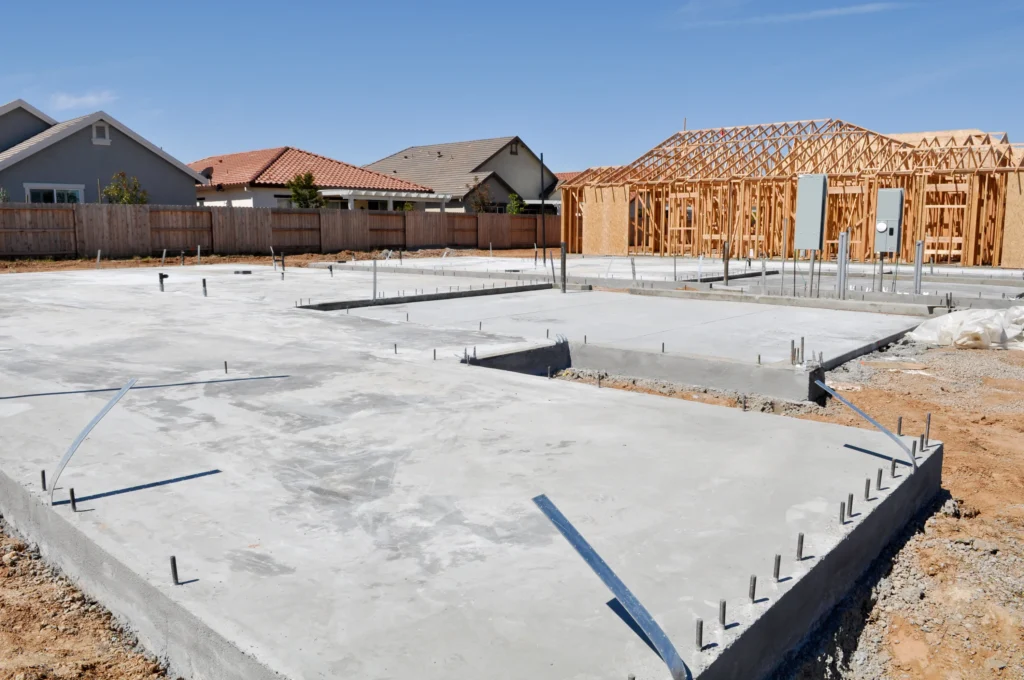
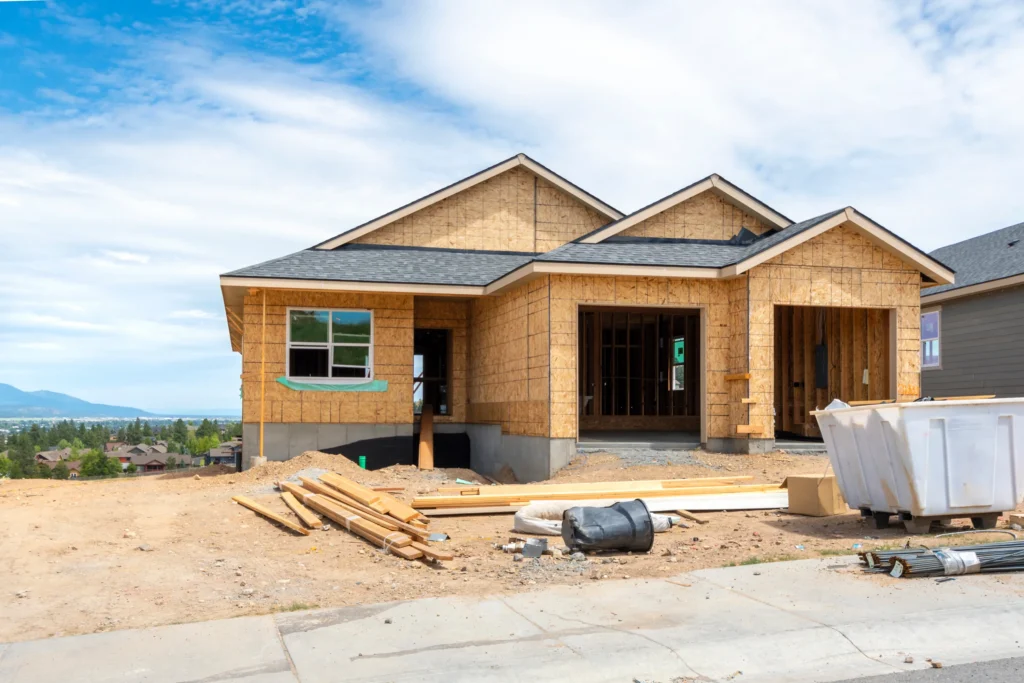
Foundation and pier work sits within a larger construction sequence. A delay at this stage can affect inspections, follow-on trades, closing dates and internal production targets.
G.L. Hunt works with project managers, construction teams and site superintendents to understand when the work needs to occur and what must be completed before the next trade can move forward. Texas soil conditions and site drainage can also influence how foundation and slab concerns are evaluated during construction.
When a project requires structural review, our independent engineering partners can provide plans and load calculations. Not every project requires the same level of engineering involvement.
Available pier systems include concrete piers, steel piers and hybrid pier systems. When plans call for a system we do not install, the commercial team will explain that up front and refer the work where appropriate.
Warranty Foundation Repair Is Also Customer-Facing Work
Post-closing foundation concerns place the builder between the technical condition and the homeowner’s expectations. Even when the builder is coordinating the repair, the person living in the home needs to understand what was found, what the proposed work involves and how the property may be affected.
A homeowner may call the warranty team after noticing a sticking door or a new drywall crack. The builder then needs someone who can evaluate the condition, explain whether it points to foundation movement and communicate the next step without creating unnecessary confusion or alarm.
This makes three-way communication central to the relationship.
G.L. Hunt can coordinate directly with the builder’s warranty team while also providing the end client with a plainspoken explanation of the findings and repair scope. The builder remains informed without having to translate every field update, and the homeowner receives a clearer understanding of what is happening at the property.
This approach reduces mixed messages, repeated site questions and uncertainty about who is responsible for the next step.
Drainage Corrections And Punch-List Concrete Need The Right Scope
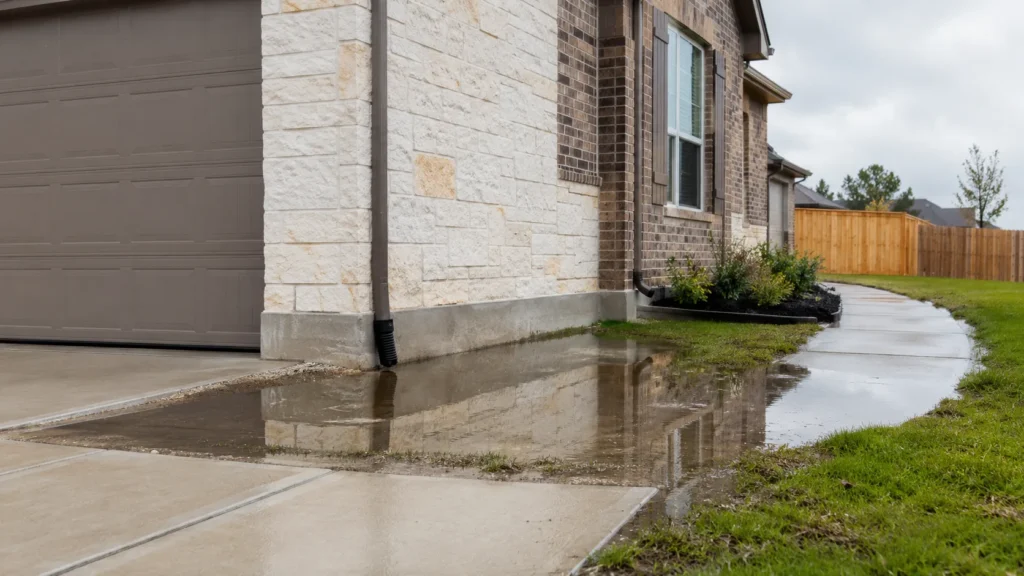
Some builder concerns are not structural failures. Water may continue to collect near the foundation after grading is complete. Exterior concrete may settle or crack. A driveway, walkway or patio may remain on the punch list after the primary construction work has moved forward.
Those conditions need to be separated before work is assigned. A drainage correction should address how water is moving through the site. Punch-list concrete should focus on the affected surface and its condition. Foundation repair should be reserved for verified structural concerns.
G.L. Hunt helps builders coordinate these scopes without treating every visible problem as the same type of repair. Related capabilities include Commercial Drainage Solutions and Commercial Concrete Repair.
A Contractor With A Clear Line Of Accountability
Builders often encounter contractors who are responsive during bidding but difficult to reach once work begins. That gap becomes more visible when a schedule changes, a homeowner raises a concern or a warranty file needs documentation.
Much of the foundation industry has been rolled up by out-of-state private equity, which means the company a builder vetted a few years ago may answer to different owners today. G.L. Hunt remains independently operated by the family that founded it in 1987, so a builder gets the same family-owned company answering the phone in year ten as in year one. Our core foundation, concrete and drainage work is done by a highly trained, vetted network of crews held to the G.L. Hunt standard.
For builders, that means one G.L. Hunt point of contact and one standard from the signed agreement through the work itself. Project planning and core execution remain closely connected, giving construction and warranty teams a clearer line of accountability.
Eligible commercial foundation repair is backed by a limited lifetime warranty, and the commercial team will walk through the terms that apply to the specific project.
Built For Ongoing Trade Relationships
A single repair can solve an immediate concern. A useful trade relationship has to remain consistent across projects, construction teams and warranty cycles.
G.L. Hunt supports builders and general contractors in San Antonio, DFW, Austin, Waco, Temple and surrounding Texas markets. Builders managing multiple subdivisions or recurring warranty needs can work through a consistent commercial contact rather than restarting the relationship for every property.
That can include coordination with multiple superintendents, purchasing teams, warranty managers or regional construction leaders while keeping expectations and communication practices aligned.
The relationship is not based on a predetermined recommendation. Each project is considered in the context of its construction stage, site conditions and responsibilities among the builder, contractor and end client.
Bring The Right Trade Partner Into The Project Earlier
Foundation repair for builders works best when the contractor understands both the technical condition and the client relationship attached to it. G.L. Hunt helps construction and warranty teams establish clear responsibilities, communicate with the end client and move the work forward with a defined scope.
Related Articles
For more expert information about your foundation, crawl space and drainage needs, check out our helpful articles!