Get Clearer Answers Before Planning Below-Slab Work
A suspected sewer-line problem beneath a commercial building raises two questions at once: what is actually failing, and what it will take to reach it. Plumbing symptoms may appear inside the building while soil movement, drainage conditions or foundation concerns raise separate questions about what is happening below the slab. G.L. Hunt treats these projects as diagnostic and coordination problems first, helping Texas property teams understand the condition before anyone commits to access or repairs.
When The Source Of The Problem Is Not Obvious
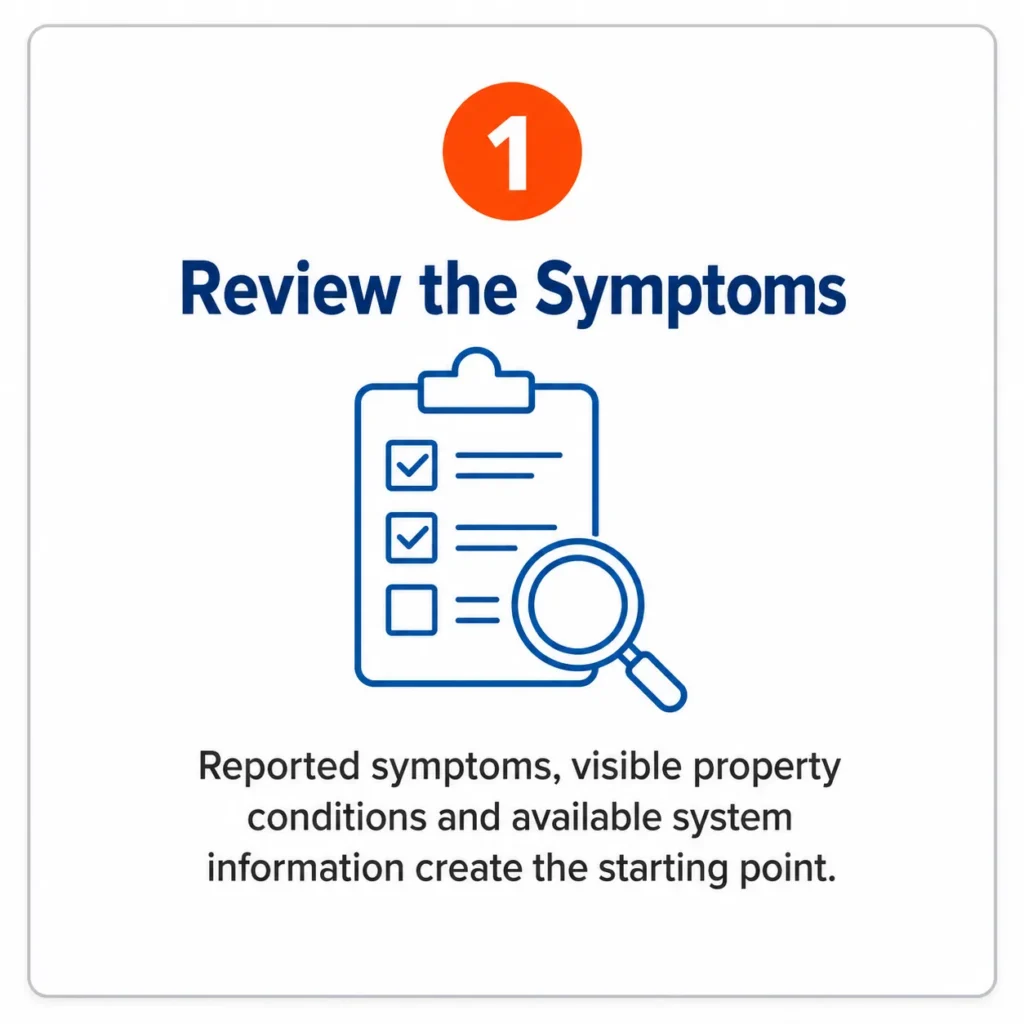
Recurring plumbing problems do not always reveal where the failure is located or how much of the system is affected. A property may experience repeated backups, unexplained moisture, changing floor conditions or concerns raised during foundation work without a clear view of the line beneath the building.
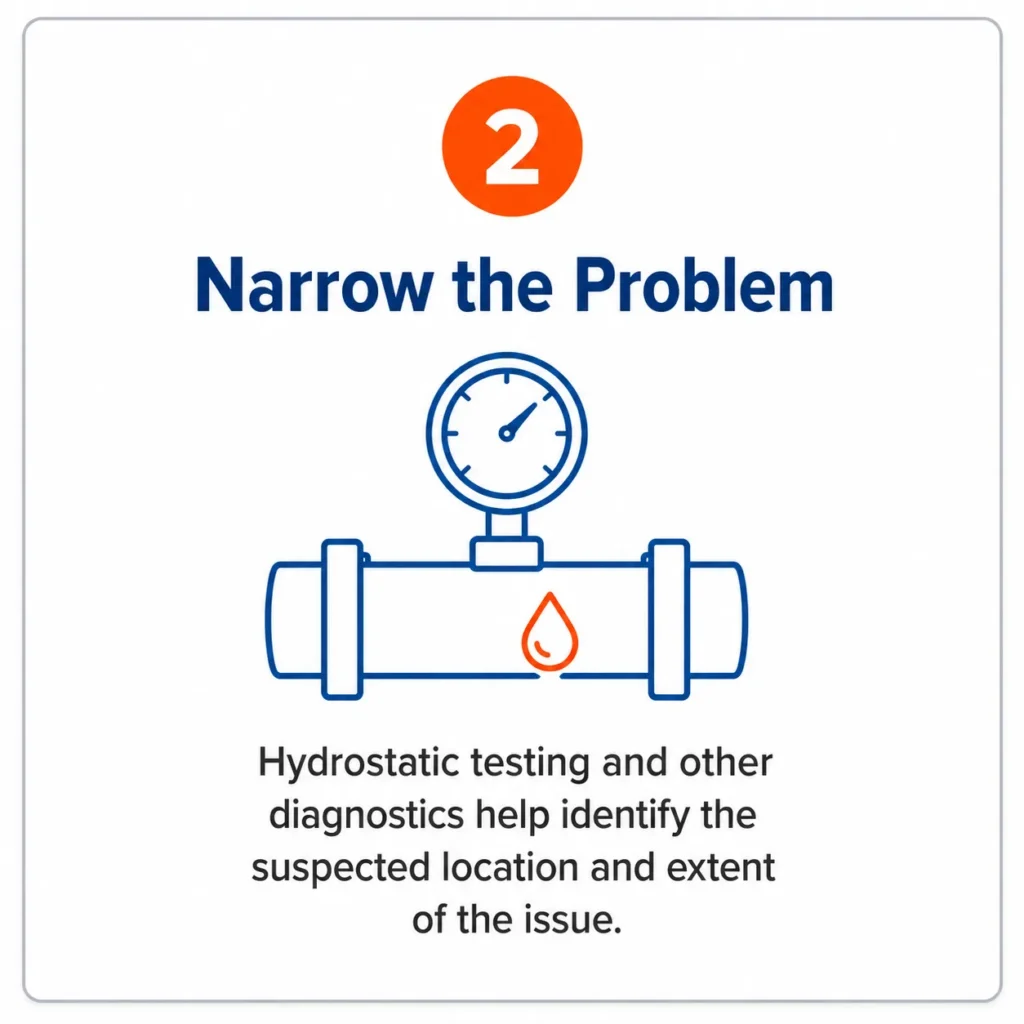
Further investigation can help narrow the issue before repair decisions are made. Depending on the property and the conditions observed, that investigation can include hydrostatic testing, additional sewer-line diagnostics or coordination with other professionals involved in the project.
Commercial situations that can lead to further testing include:
- Recurring sewer or drain problems without a confirmed source
- Suspected leakage beneath a slab
- Plumbing concerns discovered during foundation or renovation work
- Unexplained moisture or soil changes near the building
- Questions about sewer-line condition before planning below-slab access
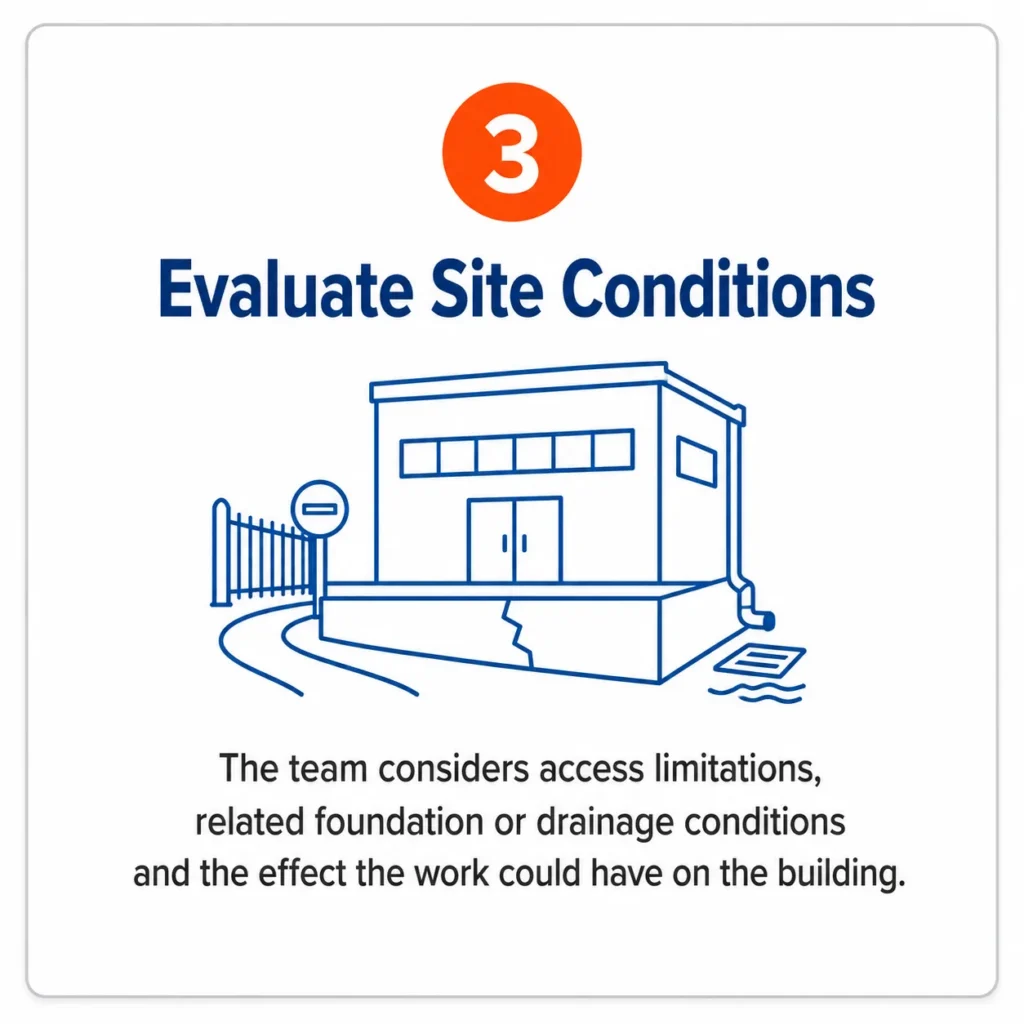
Testing is one part of the investigation. Results must still be considered alongside the building layout, plumbing configuration, visible conditions and any foundation or drainage concerns affecting the property.
Where Hydrostatic Testing Fits In The Diagnostic Sequence
Hydrostatic testing is a form of commercial plumbing leak testing used to check whether a section of the drain system holds as expected under controlled conditions. A result that indicates a loss establishes that additional investigation is warranted and helps guide the next step. It does not, by itself, provide every answer.
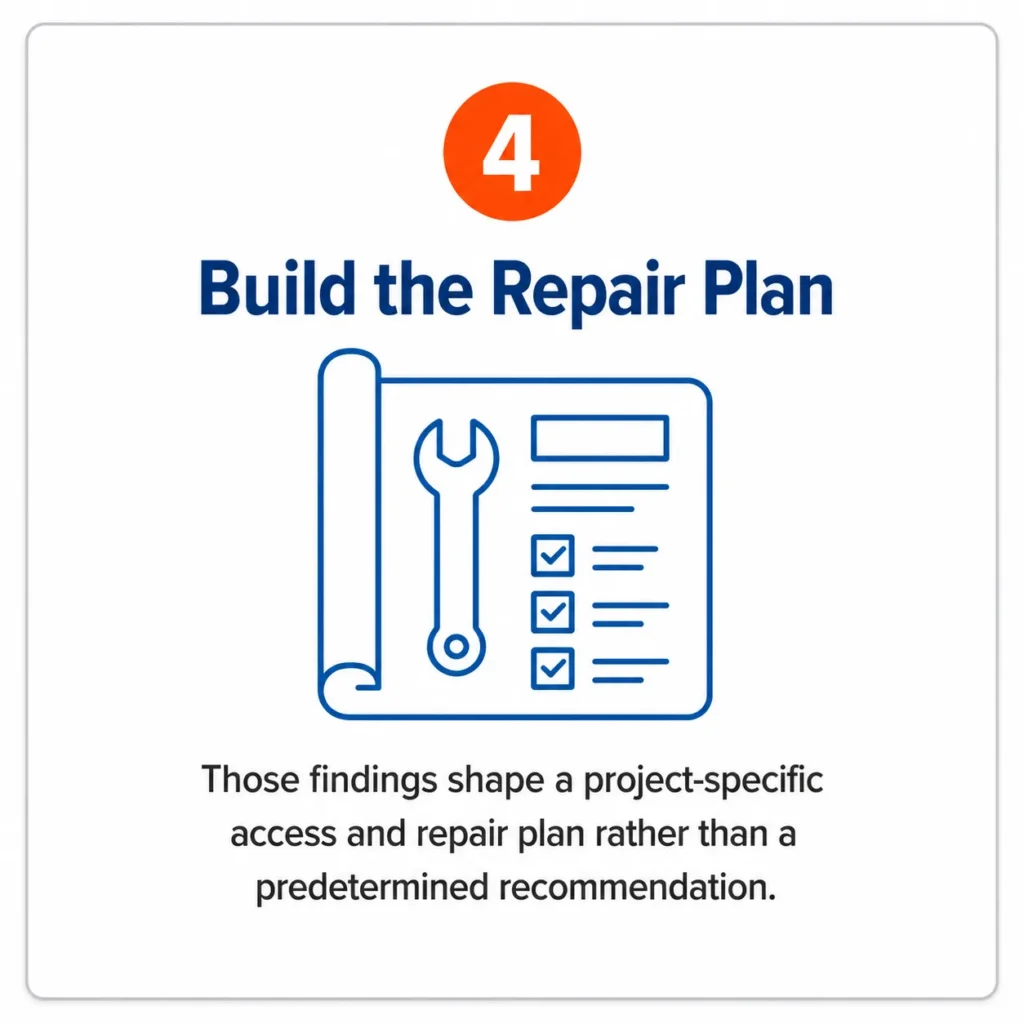
A straightforward, accessible sewer line does not require the same level of coordination as a suspected failure beneath an occupied slab. G.L. Hunt scopes each project around the diagnostic findings, property conditions and access requirements rather than applying the same repair recommendation to every building.
Below-Slab Repairs Require More Than A Plumbing Decision
Once a suspected failure is narrowed to an area beneath the building, access becomes part of the project planning.
Interior access can affect flooring, finishes, equipment, tenants and normal use of the space. Reaching a line beneath an occupied tenant suite, for example, presents different access and scheduling concerns than work located in an open back-of-house area.
In some cases, under-slab tunneling can be considered as an alternative way to reach the work area while limiting demolition inside the building. The access plan depends on the structure, utility locations, site conditions and the repair scope. Projects involving access beneath an occupied slab are covered in more depth on the Commercial Tunneling and Under-Slab Access page, and properties showing signs of structural movement can be reviewed through Commercial Foundation Repair and Slab Support.
Coordinating Work Around The Property
Commercial sewer-line projects often involve several parties, including building owners, facility staff, plumbing professionals, contractors and occupants. Clear coordination matters because each group may be working from a different part of the problem.
G.L. Hunt Commercial helps organize the below-slab portion of the project around the building’s actual constraints. That includes understanding where access is available, what areas must remain usable and how related foundation or drainage work fits into the overall scope.
Property teams receive a direct explanation of the known conditions, the remaining questions and the work required to reach or repair the affected area. The scope is built around the evidence available rather than a standard recommendation applied to every property.
Sewer, Foundation And Drainage Conditions Can Overlap
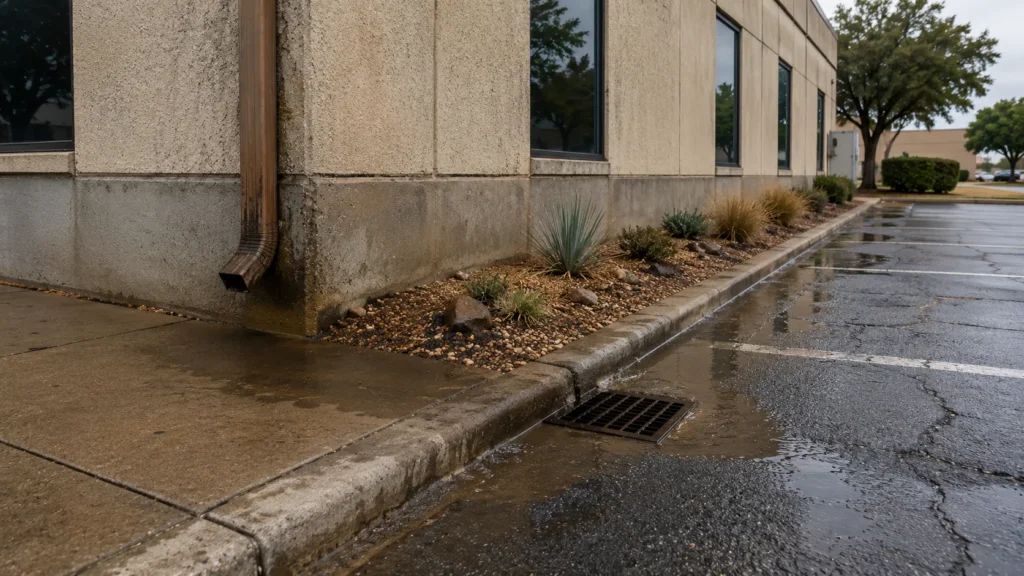
Water beneath or around a commercial structure does not always come from one source. A leaking sewer line, poor exterior drainage and changing soil moisture can produce conditions that appear related even when they require different corrections.
Treating every moisture concern as a sewer failure can lead to unnecessary work. Focusing only on exterior drainage can also leave an under-slab plumbing problem unresolved. The investigation should distinguish among those conditions before the property team commits to a larger scope.
When surface water, grading or runoff is contributing to the property condition, Commercial Drainage Solutions may need to be considered separately from the sewer-line repair. G.L. Hunt brings foundation, drainage and below-slab access experience into the conversation when those systems intersect, helping keep each part of the work tied to the condition it is intended to address.
Commercial Service Built Around Clear Scope
G.L. Hunt has served Texas property owners for over 30 years and remains independently operated by the founding family. For commercial projects, that experience supports a practical approach centered on documentation, direct communication and accountability for the work being coordinated.
The company maintains offices across Texas and serves commercial properties statewide. When structural review is required, in-house engineering capabilities can support the foundation-related portion of the project. Engineering is not added automatically to sewer-line work and is used only when the property conditions call for it.
For the rest of the commercial lineup, including foundation, concrete, drainage and crawl space services, visit the G.L. Hunt Commercial Services hub.
Start With the Conditions You Can Confirm
Suspected sewer-line problems beneath a commercial slab require a clear sequence from initial investigation through access and repair planning. The G.L. Hunt commercial team can help property teams understand the known conditions, coordinate related below-slab concerns and establish a practical next step. Contact us to discuss the project and determine the next step for evaluation, access and repair planning.
Related Articles
For more expert information about your foundation, crawl space and drainage needs, check out our helpful articles!