Commercial Concrete And Slab Leveling With Polyurethane Injection
A settled panel is rarely just a concrete problem. In a parking lot it’s ADA exposure and slip-and-fall liability; at a dock door it’s a receiving lane out of service; in a warehouse it’s a forklift route that shakes every load crossing it.
G.L. Hunt Commercial provides polyurethane concrete leveling across Texas for parking areas, loading docks, ramps, walkways and industrial slabs. The process lifts settled concrete through small injection points, allowing targeted correction with less disruption than full slab replacement.
Parking Lot And Pedestrian Area Leveling
Settled parking lot panels, curbs and walkways can affect accessibility, drainage and the overall condition of a commercial property. Uneven transitions may also create trip hazards near entrances, parking islands and pedestrian routes.
Polyurethane injection allows G.L. Hunt to target individual panels rather than replace an entire concrete field. The work may involve sunken sidewalks, uneven curb transitions, low areas that collect water or isolated settlement across a larger parking area.
For multi-property operators, the same method can support a coordinated repair program without treating every location as an unrelated construction project. Work can be planned around traffic patterns and access needs so the entire area does not need to be closed at once. An operator with parking lots in thirty cities can run one repair program instead of thirty unrelated construction projects.
Loading Dock And Ramp Leveling
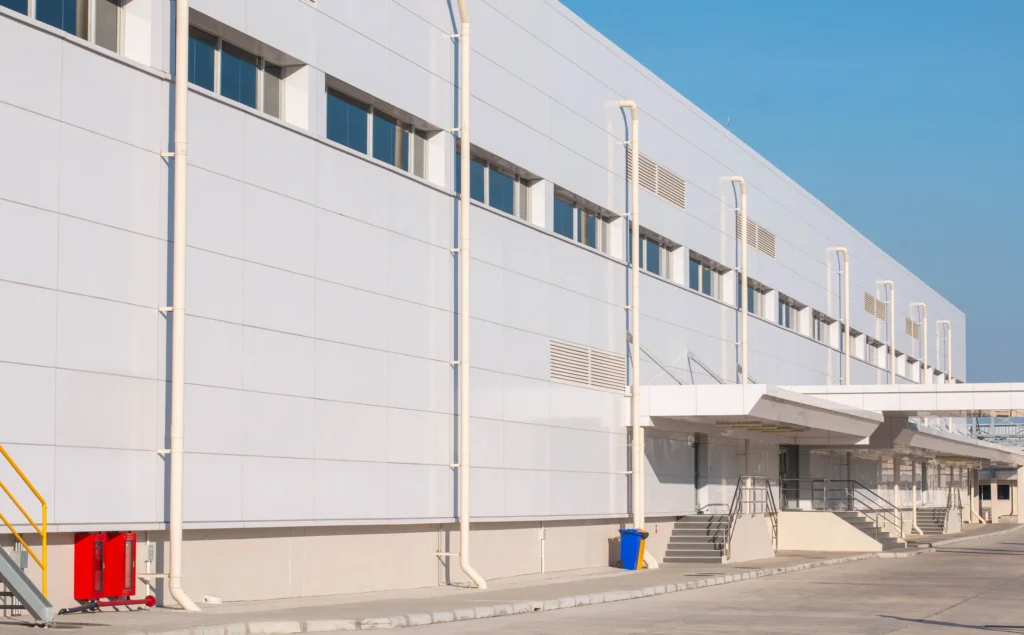
Loading areas are exposed to truck traffic, forklift loads, repeated impacts and changing weather conditions. When a dock approach or ramp settles, the resulting elevation difference can affect receiving operations and equipment movement.
Polyjacking may be used to lift settled dock approaches, sunken ramp sections, concrete at dock-door transitions and misaligned panels in truck courts. It may also be considered where voids beneath the loading area have contributed to slab settlement.
When site conditions allow, work may be phased to keep part of the dock operational while another section is repaired. The foam’s fast cure time can also reduce how long the treated area remains out of service.
Warehouse And Industrial Slab Leveling
A settled warehouse slab can affect forklifts, racking, machinery and material movement. Even a localized elevation change may become damaged equipment, misaligned racking, and OSHA exposure when equipment crosses it throughout a shift.
Polyurethane concrete leveling lifts selected slab areas without removing large sections of concrete. In appropriate conditions, work may be completed near racking or fixed equipment, reducing how much of the surrounding workspace must be cleared.
The method may be considered for low or rocking slab sections, uneven forklift paths, settlement near racking, misaligned joints or localized loss of support. When the settlement appears connected to broader structural movement, the property may also need a commercial foundation repair assessment.
The Method: Foam Injection In Brief
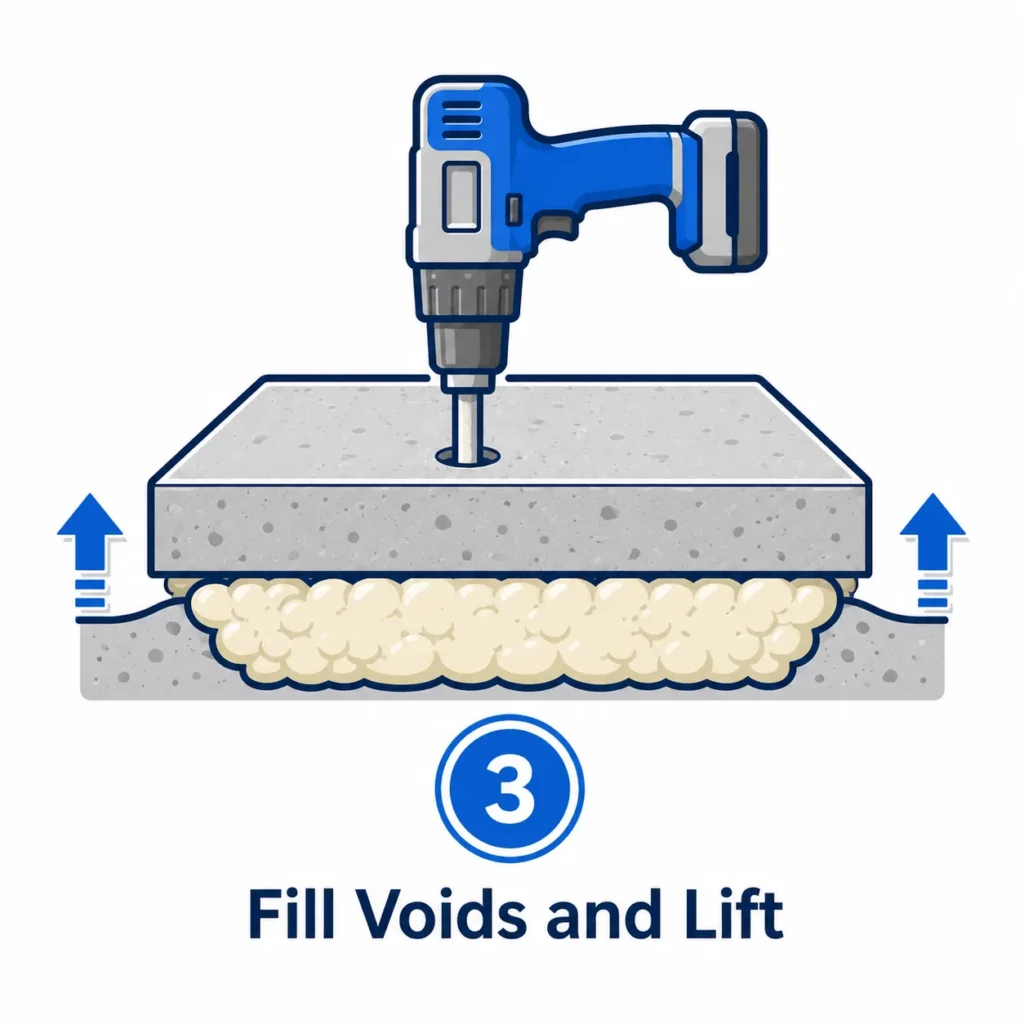
Polyurethane concrete leveling, also called polyjacking, uses expanding foam to raise settled concrete.
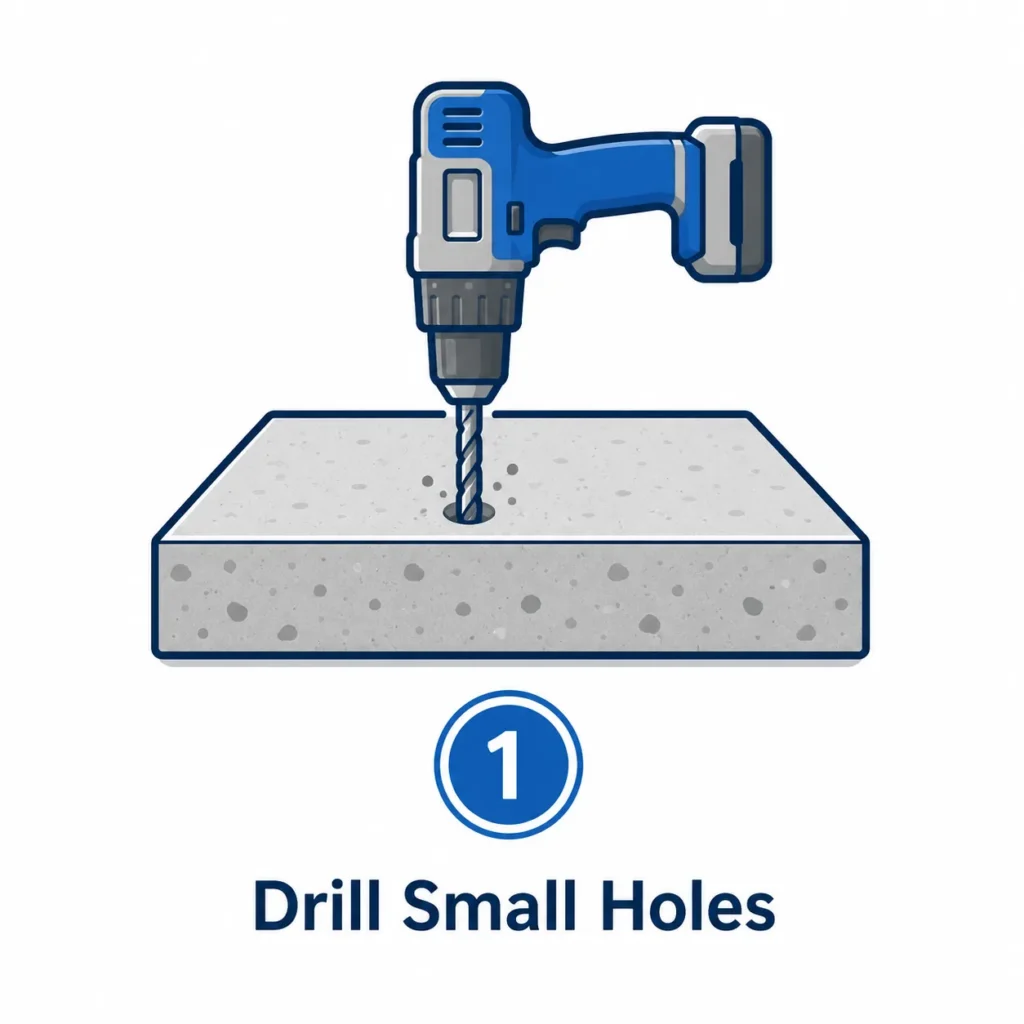
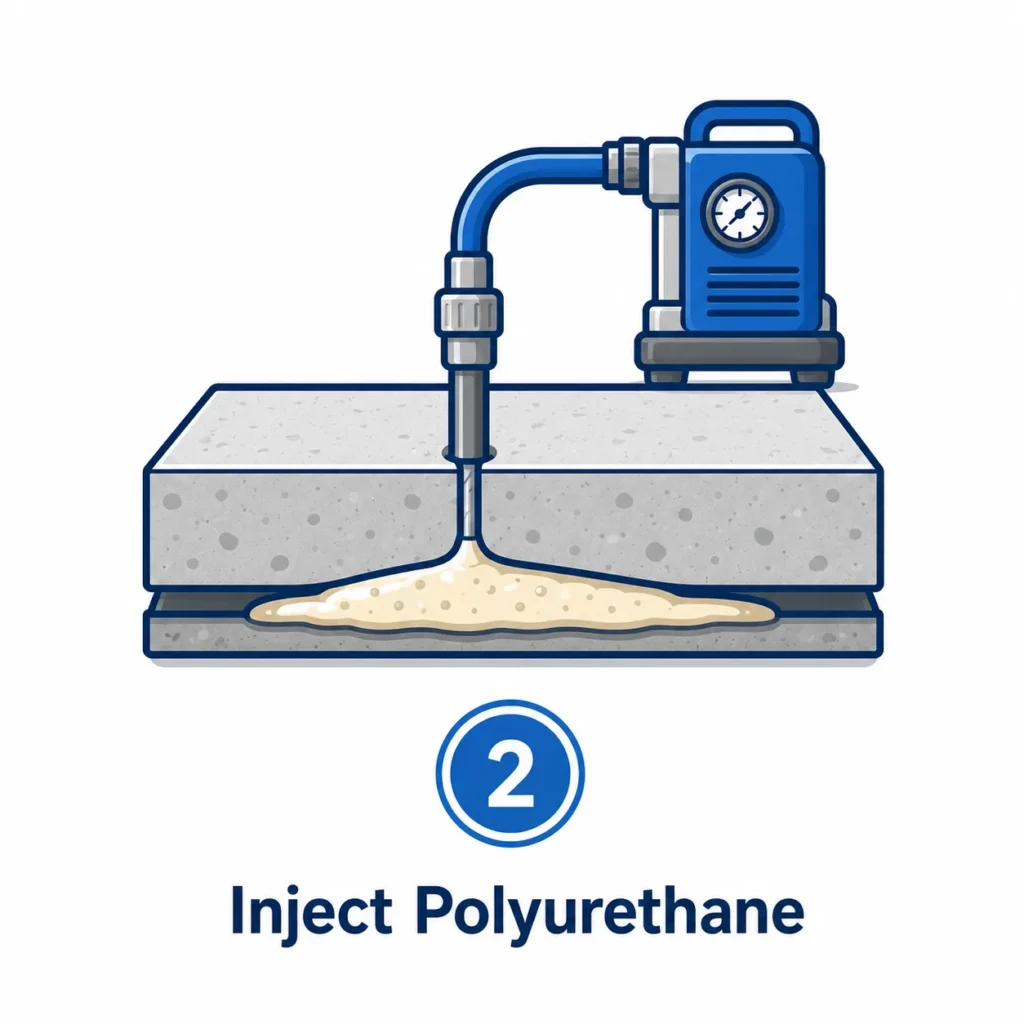
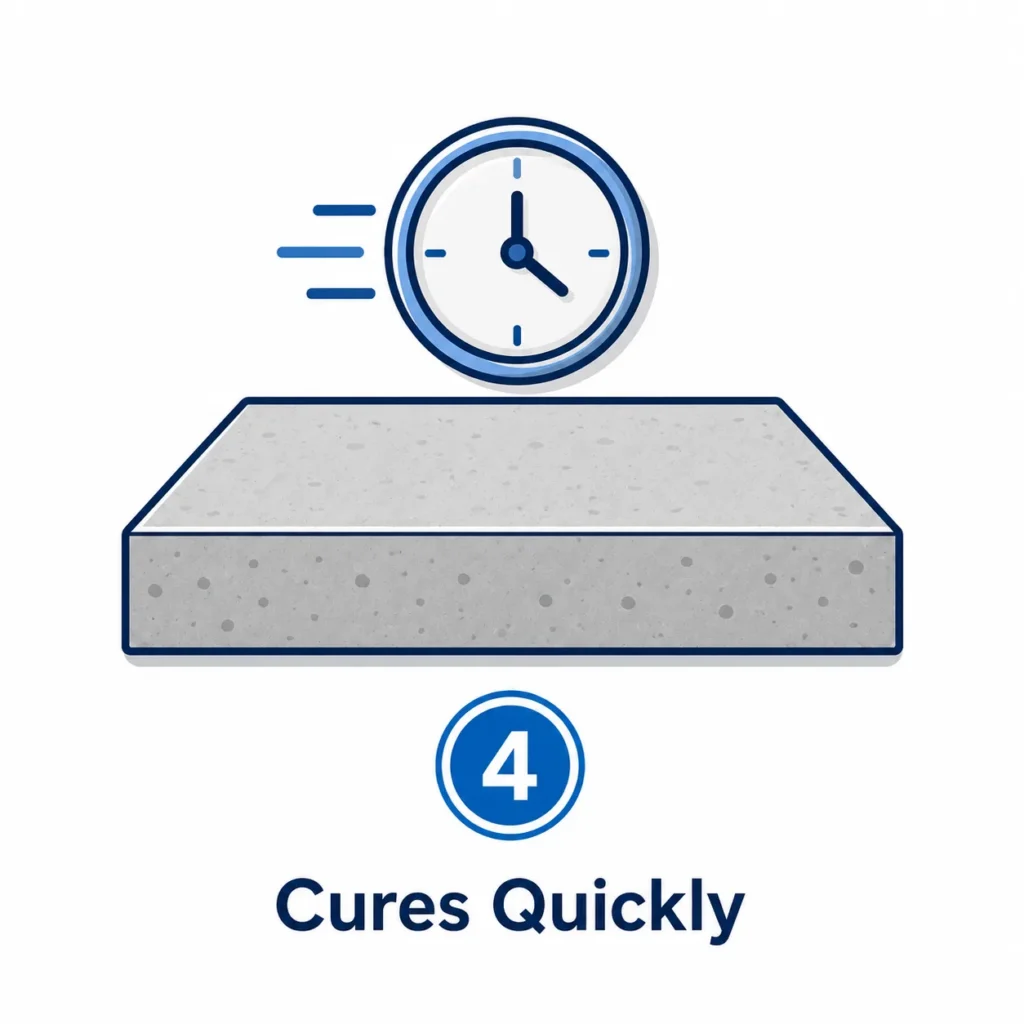
Small holes are drilled through the affected slab. Polyurethane material is then injected beneath the concrete, where it expands to fill voids and lift the slab toward the planned elevation. The material cures quickly, which can reduce downtime compared with full slab replacement.
Polyjacking is not the same as crack repair, joint caulking or surface sealing. Those needs are addressed through commercial concrete repair.
A Process Built Around Active Properties
G.L. Hunt plans commercial slab leveling around the way the property operates.
1. Site Review
The commercial team documents the settled areas, surrounding conditions and how the issue affects traffic, equipment or accessibility.
2. Slab Evaluation
The slab is evaluated to determine whether it is a suitable candidate for lifting and which areas may require injection.
3. Leveling Plan
Injection locations, repair limits and operational considerations are established before work begins. When the property must remain active, the plan may include phased access to the affected area.
4. Foam Injection
Small holes are drilled through the slab, and polyurethane material is injected beneath the concrete to fill voids and raise the affected area.
5. Elevation Check And Return to Service
The slab is monitored during lifting and reviewed after injection. Depending on loading requirements and site conditions, some treated areas may return to use the same day.
What Affects Commercial Concrete Leveling Cost?
Pricing depends on the number and size of the affected panels, the amount of lift required and the conditions beneath the concrete. Intended loading and access for injection equipment may also shape the scope.
For active facilities, the plan may need to account for traffic, equipment movement or phased access. A multi-property program may involve additional coordination based on the number of locations and the consistency of the repair needs.
The commercial assessment determines whether foam injection is appropriate and defines the areas included in the proposed work.
Why G.L. Hunt For Polyurethane Concrete Leveling?
Because the material cures quickly and the crews are trained and vetted to the G.L. Hunt standard, most projects can be phased so the property never fully closes. When settlement raises structural questions, our independent engineering partners are available for additional review.
The full commercial line-up is on the G.L. Hunt Commercial hub.
Request a Free Commercial Assessment
G.L. Hunt can evaluate settled parking areas, loading docks, ramps and warehouse slabs and determine whether polyurethane injection is an appropriate repair method. Request a Free Commercial Assessment to discuss the property and next steps.
Commercial Slab Leveling Questions
How Quickly Can A Leveled Slab Return To Service?
Polyurethane foam cures quickly, and some repaired areas may return to service the same day. The actual schedule depends on the slab, loading requirements and work area.
Can Polyjacking Be Used In An Active Warehouse?
In appropriate conditions, yes. Work may be phased around active operations, and selected areas may be treated without clearing the entire surrounding space. The site assessment determines the access and operating plan.
Is Concrete Leveling The Same As Concrete Crack Repair?
No. Leveling raises settled slabs by injecting polyurethane beneath them. Crack repair, caulking, sealing and surface restoration are handled through commercial concrete repair.
Related Articles
For more expert information about your foundation, crawl space and drainage needs, check out our helpful articles!