Crawl Space Support

Stable and steady — our team is the support you need!

Structural Support Systems For Texas Households

The Top Choice For Texas Crawl Space Foundation Repair

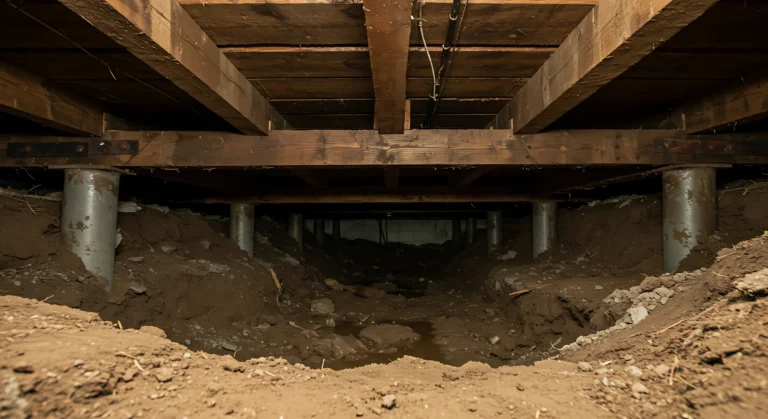
Crawl space support jacks are adjustable steel posts installed beneath sagging floor joists and girders to lift the floor back toward level and hold it there permanently. 

If your floors have started to slope, bounce, or pull away from the walls, a support jack is often the fix, and depending on what our inspection finds, we may recommend an adjustable steel jack (TexJack), a poured concrete pier (Sonotube), or a combination of both.

G.L. Hunt Foundation Repair has been repairing Texas foundations since 1987. Here’s how to tell if your crawl space needs support jacks, how the two systems we install are different, what the process looks like, and what’s covered under warranty.

Signs Your Crawl Space Needs Support Jacks

  • Sloping or uneven floors – the most common sign a floor joist or girder has sagged.
  • Bouncy or springy floors – flexing underfoot means the joists below have lost stiffness or support.
  • Gaps between the floor and the walls or baseboards – a sign the floor has dropped relative to the rest of the structure.
  • Cracks in interior walls or drywall – shifting floor framing puts stress on the walls above it.
  • Doors and windows that stick or won’t latch – frames rack out of square as the floor beneath them settles.
  • Musty odors and visible wood rot – moisture-damaged or rotted joists lose their load-bearing strength and sag.
  • Visible gaps between existing posts, piers, or girders in the crawl space – a sign a prior support has failed or shifted.

If you’re seeing more than one of these, it’s worth getting a professional inspection before the sagging gets worse and starts a real structural damage

What Crawl Space Support Jacks Do

Support jacks sit beneath your home’s floor joists and girders, inside the crawl space, and carry the structure’s weight down to a stable footing instead of letting it rest on weakened wood or settled soil. Once in place, they can also be adjusted to lift a sagging floor back toward its original position, correcting slope, closing gaps, and reducing floor bounce.

TexJack: Adjustable Steel Crawl Space Jacks

TexJack is G.L. Hunt’s adjustable steel jack system. It’s installed directly beneath a sagging floor joist or girder and anchored to a stable footing in the crawl space. Because it’s adjustable, it can be fine-tuned during installation, and again later, if needed, to lift and level the floor above it.

Best fit for: pier-and-beam foundations and crawl spaces where the floor has already sagged and needs to be lifted and leveled, or where the affected area may need future adjustment.

Warranty: 25 years, fully transferable. If any defect in the piers or our installation causes an issue within 25 years, G.L. Hunt will repair or replace it free of charge.

Sonotube: Poured Concrete Crawl Space Piers

Sonotube refers to the concrete form used to pour a solid concrete pier in place beneath your home. Instead of an adjustable steel post, this creates a fixed, permanent concrete column that supports the floor above.

Best fit for: areas where a permanent, non-adjustable support is the right call, or as a complement to steel jacks elsewhere in the same crawl space.

Warranty: 5 years, fully transferable. If any covered issue appears within five years, G.L. Hunt will fix or replace the affected Sonotube pier at no cost.

See our full warranty terms for details on every G.L. Hunt repair system.
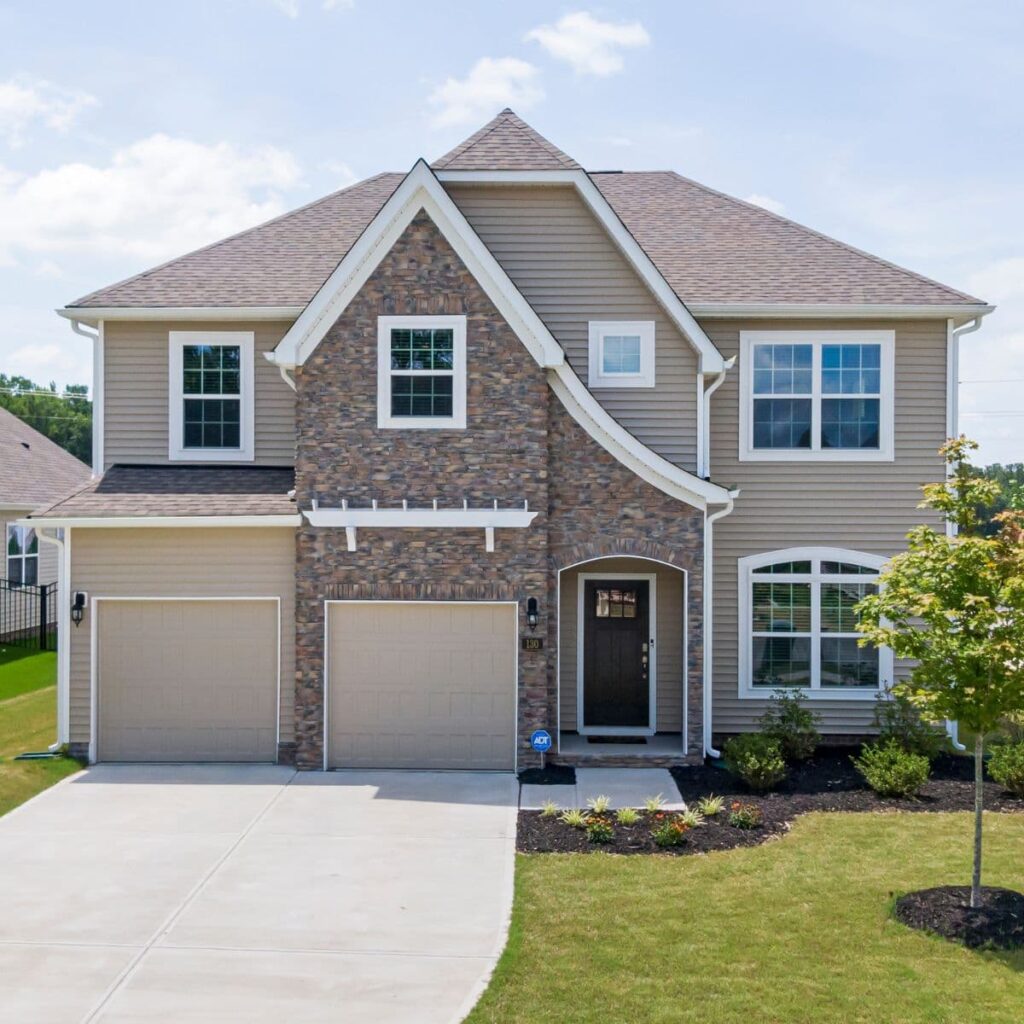
A front view of a two-story suburban home with stone and siding exterior, double garage, and manicured lawn

When Support Jacks Aren’t Enough

Stacking cinderblocks, shims, or other DIY fixes under a sagging floor is a short-term patch at best; they tend to shift, settle, or fail again within a year or two. Support jacks solve problems at the joist and girder level, but they don’t address settlement happening at the foundation or soil level. 

If our inspection finds the sagging is tied to broader foundation settlement rather than a localized joist issue, we may recommend a concrete pier or steel hybrid pier system instead of, or in addition to, crawl space jacks. 

That’s why a professional inspection matters more than guessing at the fix.

Why Choose G.L. Hunt For Crawl Space Repair Services?

Founded in 1987, G.L. Hunt Foundation Repair has assisted Texas homeowners with passion and pride. Our company is honored to serve residents across the Lone Star State. We provide quality crawl space repair services that drive customer satisfaction. 

When you choose our team to aid with your crawl space problems, you can feel confident that your home is in skilled and capable hands. We execute each service with the utmost care, ensuring your home is a place of security and protection. 

Our team is happy to answer any questions you may have. Reach out to us for any inquiries on how we can enhance your residential support system!

Foundation Services That Texas Can Count On

Here at G.L. Hunt Foundation Repair, our foundation lies in our commitment to customer satisfaction. We’re a top provider of structural support solutions for homeowners in Texas. Our experts are here to ensure your crawl space remains safe and secure, protecting your home from structure-related damage. 

Are you curious to learn more about what our skills bring to the table? Contact us today to schedule your next service with our dedicated team!

FAQs

What Is A Crawl Space?

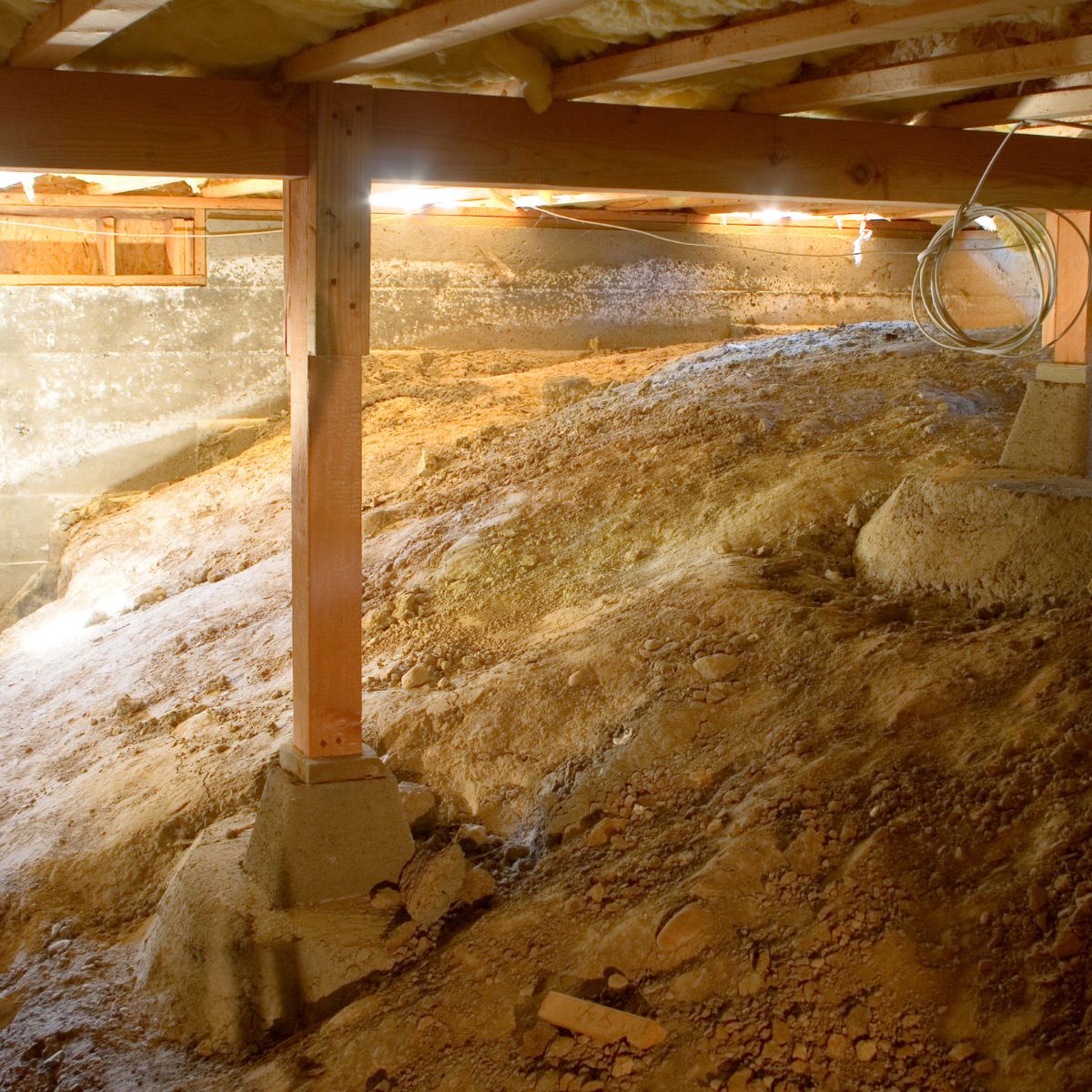
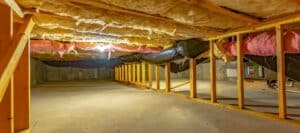
Crawl space with exposed insulation, ductwork, and wooden framing

A crawl space is a type of home foundation that creates a shallow, unfinished space between the ground and the floor of your house — usually ranging from one to three feet in height. Unlike basements, crawl spaces aren’t designed for regular human occupancy, but they serve several important functions.


Crawl spaces are commonly found in homes built on pier-and-beam foundations, especially in regions with high moisture levels or expansive clay soil, like Texas.

Advantages Of Crawl Spaces

  • Improved ventilation beneath the home
  • Easier access to plumbing, HVAC systems, and electrical wiring
  • Protection from flooding compared to slab foundations


Common Crawl Space Problems


A well-maintained crawl space supports your home’s structural integrity, indoor air quality and energy efficiency.

How Do I Know If I Need Crawl Space Repair?

There are several warning signs that may indicate you need crawl space repair — and most of them can be spotted without crawling under your home. These include:

  • Musty odors indoors, especially near floors or vents
  • Sagging or uneven floors
  • Cracks in interior walls, particularly near windows or door frames
  • High indoor humidity or condensation on windows
  • Increased pest activity, like insects or rodents
  • Visible mold or mildew on baseboards or flooring
  • Standing water or mud near the foundation

You may also notice rising energy bills, which could point to poor insulation or air leakage from the crawl space. If you suspect an issue, a professional inspection can identify whether it’s due to moisture, structural problems or foundation settling — and whether repairs are needed to protect your home and health.

What Causes Crawl Space Problems In Texas?

Texas homes are especially vulnerable to crawl space issues due to a combination of climate and soil conditions. Common causes include:

  • Expansive clay soils — Texas soil expands when wet and contracts during droughts, which can cause foundations and piers to shift, leading to structural damage.
  • Humidity and rain — Frequent moisture can enter crawl spaces through vents, poorly sealed perimeters or ground vapor, promoting mold, mildew and rot.
  • Poor drainage — Inadequate grading, clogged gutters or missing vapor barriers can allow water to collect around and beneath the home.
  • Pest intrusion — Open vents or small gaps in your crawl space give easy access to rodents, termites and insects — all of which can damage insulation and structural wood.
  • Improper construction or aging — Older homes or poorly built crawl spaces may lack the necessary insulation, sealing or ventilation systems to keep moisture and air under control.

These factors make regular inspection and maintenance critical in Texas. Without intervention, small problems can turn into costly repairs — affecting your home’s structure, comfort and air quality.

What Are The Steps To Insulate A Crawl Space?

Insulating a crawl space requires careful planning and should always begin with a professional assessment of the area’s current condition. The process includes several key steps:

  1. Inspect and clean the area — Remove all debris, inspect for mold or standing water and address any plumbing leaks or foundation issues.
  2. Control moisture first — Moisture problems must be solved before insulation. This may involve grading, sump pumps or installing vapor barriers.
  3. Seal off vents and gaps — Crawl space vents and air gaps can allow outdoor air, pests and moisture inside. Sealing with caulk, spray foam or panels is necessary.
  4. Choose the right insulation type:
    • Rigid foam board is commonly used along foundation walls for its moisture resistance and high R-value.
    • Spray foam offers a tight seal and works well around irregular shapes or tight areas.
    • Fiberglass insulation, though cheaper, is often discouraged in humid climates due to mold risk
  5. Install a vapor barrier — If not already present, a vapor barrier should be installed on the floor to prevent moisture from the soil from entering the crawl space.
  6. Add a dehumidifier — In especially humid climates, a dehumidifier helps regulate moisture levels long-term.

At G.L. Hunt, we specialize in climate-appropriate crawl space insulation designed to improve energy efficiency while protecting your home from moisture-related damage.

What Does It Mean To Encapsulate A Crawl Space?

Crawl space encapsulation is the process of sealing off the crawl space from outside air and ground moisture to create a clean, controlled environment beneath your home. It is a more advanced and comprehensive solution than simple insulation.

Our encapsulation process involves:

  1. Clearing and cleaning — We remove any debris, old insulation and standing water from the space.
  2. Repairs and moisture correction — Addressing issues like wood rot, foundation cracks or mold is essential before sealing.
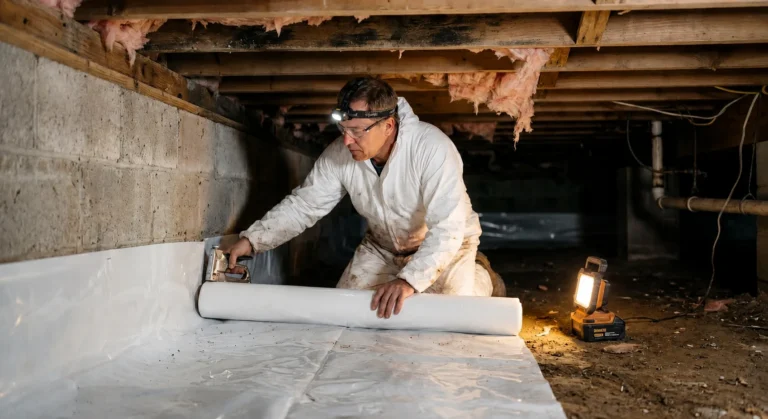
  3. Vapor barrier installation — We install a heavy-duty polyethylene vapor barrier across the crawl space floor and up the walls. Seams are tightly sealed to ensure complete coverage.
  4. Sealing gaps and vents – All exterior vents, gaps and openings are sealed to block out humid air and pests.
  5. Insulating the walls — Insulation is applied to the crawl space walls to maintain indoor temperature control.
  6. Adding a drainage system (if needed) — French drains or sump pumps may be installed to manage groundwater.
  7. Installing a dehumidifier — This helps maintain ideal humidity levels and prevents mold growth.

Encapsulation transforms a damp, musty crawl space into a clean, dry, energy-efficient zone that improves indoor air quality and reduces long-term repair costs.

What Is Crawl Space Encapsulation?

Crawl space encapsulation is a comprehensive sealing system that protects your home from ground moisture, outside humidity and temperature swings. Unlike basic repairs or insulation, encapsulation provides full environmental control in the crawl space.

Key features of G.L. Hunt’s encapsulation system include:

  • A reinforced plastic vapor barrier made of durable polyethylene, professionally applied to the floor, walls and sometimes ceiling
  • Air sealing of vents and gaps to stop unwanted airflow and pest entry
  • Wall insulation to improve thermal efficiency and reduce energy loss
  • Optional sump pumps or drainage mats to manage groundwater
  • Dehumidification systems to regulate humidity and prevent mold

Encapsulation not only improves your home’s indoor air quality and energy efficiency but also protects the structural integrity of your foundation.

How To Get Rid Of Mold In My Crawl Space?

Mold in your crawl space is a serious issue that can affect your home’s structure and your family’s health. We strongly recommend against DIY mold removal due to the complexity and health risks involved.

Here’s how our experts at G.L. Hunt handle crawl space mold removal:

  • Inspection and identification — We perform a thorough inspection to locate mold colonies and identify moisture sources.
  • Moisture elimination — Standing water, leaks or high humidity must be addressed before remediation. We fix plumbing issues and improve drainage or ventilation.
  • Mold remediation — Using professional-grade antimicrobial treatments and scrubbers, we safely eliminate mold from wood, insulation and other surfaces.
  • Encapsulation and prevention — To stop mold from returning, we recommend encapsulating the crawl space and installing a dehumidifier to regulate humidity levels.

By choosing G.L. Hunt, you get long-lasting solutions that treat the root cause — not just the symptoms — of mold problems.

How To Dry Out A Crawl Space?

Drying out a damp crawl space is essential to prevent mold, wood rot and pest infestations. G.L. Hunt uses a multi-step process to safely and effectively dry crawl spaces:

  • Identify the moisture source — We check for plumbing leaks, drainage issues and ground moisture seeping through walls or floors.
  • Remove standing water — If water is present, we use pumps, wet vacuums or drainage systems to remove it quickly.
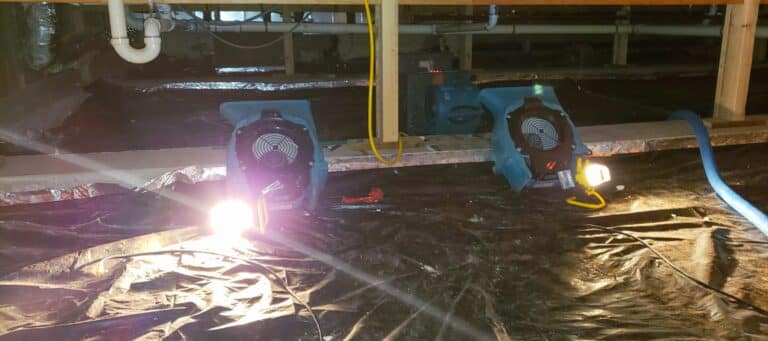
  • Install crawl space fans or ventilation — Temporary air movement can help dry out the space, especially in early remediation stages.
  • Deploy industrial-grade dehumidifiers — Our high-capacity dehumidifiers pull excess moisture from the air and maintain healthy humidity levels long-term.
  • Use vapor barriers and drainage mats — Prevent future moisture intrusion by sealing the space with a plastic vapor barrier and managing groundwater.

Once dry, we recommend encapsulation and insulation to keep the crawl space moisture-free and energy-efficient.

Will Crawl Space Repair Disrupt My Daily Life?

In most cases, crawl space repair causes minimal disruption to your everyday activities — especially when handled by a professional team with efficient systems in place.

Here’s what you can typically expect:

  • Work is performed outside and beneath the home, meaning you won’t have contractors inside your living space.
  • You may hear some construction noise or vibration during the day, especially during insulation, encapsulation or structural reinforcement.
  • Limited yard access may be required for equipment, materials or trenching — especially for drainage work or foundation pier installation.
  • If mold remediation or extensive repairs are involved, temporary relocation may be recommended in rare cases, particularly if there are health concerns.

Our team at G.L. Hunt is committed to respecting your space and minimizing disruption, so you can go about your day with as little interference as possible. We also provide clear timelines and daily progress updates, so there are no surprises.

Will Crawl Space Repair Reduce My Utility Bills?

Yes — crawl space repair and encapsulation can significantly lower your utility bills by improving energy efficiency and eliminating hidden air leaks.

Here’s how:

  • Sealing and insulating the crawl space reduces air exchange between the inside and outside of your home, so your HVAC system doesn’t work as hard.
  • Moisture control prevents the damp air that makes cooling systems run longer during summer months.
  • Encapsulation and dehumidification stabilize indoor air quality and temperature, improving comfort and reducing the energy needed for heating and cooling.
  • Repairing ductwork leaks (common in crawl spaces) prevents conditioned air from escaping.

In fact, homeowners in Texas who invest in professional crawl space repairs can see noticeable improvements in monthly utility costs, especially during extreme summer heat or colder winters.

Get Your Free Estimate Today!

Our team values honest and transparent communication, and that extends to our pricing. Contact our experts to get your free estimate today!

Free Estimate

Proud To Be Recognized For Our Hard Work