Concrete Contractors in Waco: What to Look for Before You Hire
Waco sits on expansive Blackland Prairie clay, soil that swells when it’s wet and shrinks when it’s dry. That’s why so many “new” driveways and patios around town crack or heave within a few years.
If you’re comparing concrete companies near me and trying to find a concrete contractor you can actually trust, here’s what to look for, what to avoid, and why foundation expertise matters more here than almost anywhere else in Texas.
To know more about Waco’s soil, go to our dedicated page: Waco Foundation Repair by Soil
What to Look for in a Concrete Contractor in Waco
A good concrete contractor talks about soil and drainage before they talk about finishes. Look for licensing and insurance, real local experience (not just a truck with a magnet sign), a portfolio you can verify, a written warranty, and an itemized estimate, not a single lump-sum guess.
Red Flags to Avoid When Hiring a Concrete Company
Certain warning signs show up again and again with unreliable contractors, especially after storms, when door-to-door solicitors are common in the Waco area. Watch for:
- Door-to-door pitches after a storm
- No verifiable Waco history or local address
- Pressure to sign same-day
- Large upfront deposits
- No written contract
- Permits skipped when they’re required
- A bid far below every other estimate, cut corners on base prep usually show up as cracks a year or two later, not on day one
Cost and Timeline Expectations
Price and timeline both come down to the same variables: square footage, site condition, how much excavation and base work is needed, reinforcement, slab thickness, and any decorative finish. Curing time and Central Texas weather affect scheduling too. Skip the phone quote, a real estimate comes from an on-site visit and breaks down each cost driver.
Concrete Driveway Contractors in Waco
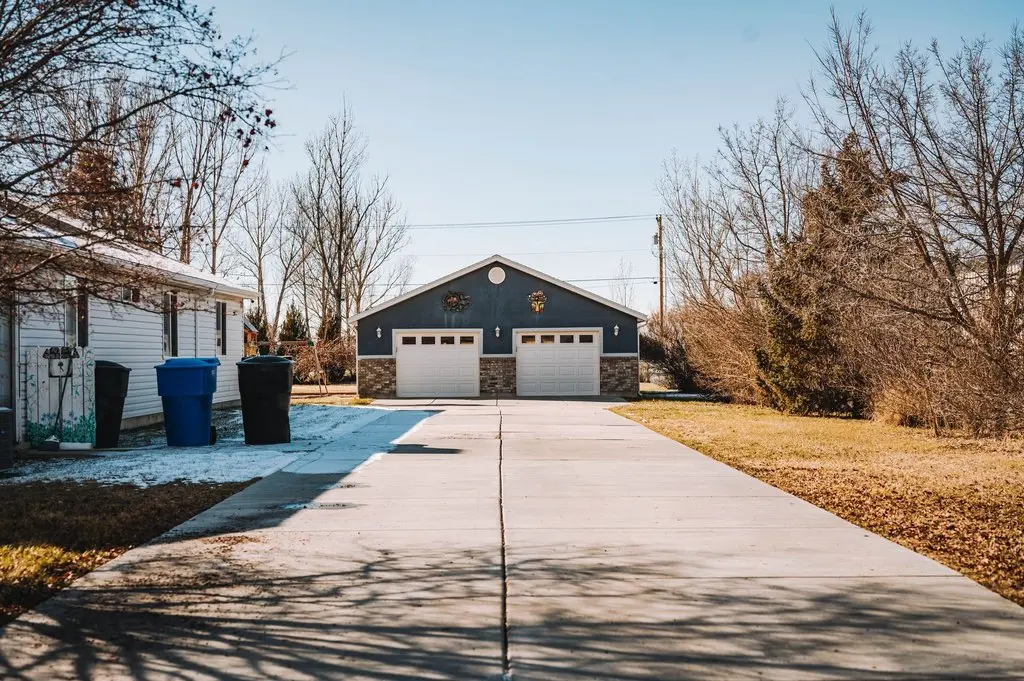
A driveway takes more day-to-day stress than most other concrete surfaces on a property, vehicle weight, temperature swings, and constant exposure to the elements.
Concrete driveway contractors in Waco need to account for proper base depth, reinforcement sized for vehicle loads, correct slope for drainage, and control joints placed to manage cracking as the slab expands and contracts with Central Texas weather.
Decorative options like stamped patterns, exposed aggregate, or stained finishes are available for homeowners who want a driveway repair that also improves curb appeal.
Concrete Patio Contractors in Waco
Patios are typically less structurally demanding than driveways, but they still require correct base preparation and drainage planning to hold up in Waco’s soil and climate.
Concrete patio contractors should size control joints appropriately, grade the surface away from the home’s foundation, and offer finish options, broom finish, stamped concrete, or stained concrete, that fit how the space will be used.
A well-built patio should hold its finish and stay crack-free well beyond the first few Central Texas summers.
Why Waco Homeowners Choose G.L. Hunt
G.L. Hunt Foundation Repair has worked foundations and concrete across Central Texas since 1987, every project starts with how the soil behaves, not a copy-paste approach. That’s the difference between a slab that lasts and one that doesn’t. Licensed, insured, backed by a written warranty.
Ready to get started? Contact G.L. Hunt for a free inspection and written estimate for your Waco concrete project.
FAQ
What is the 10-20-30-40 rule when making concrete?
It’s a mix guideline: about 10% cement, 20% water/air, 30% sand, 40% gravel by volume. The 1-2-3 rule simplifies this to 1 part cement, 2 parts sand, 3 parts gravel, a rule of thumb for footings and small slabs. It’s also known as the 1-2-3 rule for concrete.
How much does 1000 sq ft of concrete cost?
Cost depends on slab thickness, reinforcement, site prep, and finish, a basic 4-inch pour costs far less than a reinforced 6-inch slab with a decorative finish. The only accurate number comes from a written estimate for your site.
Is it cheaper to concrete or slab?
For a patio or walkway, poured concrete usually costs less upfront than pavers. Pavers cost more to install but are easier to repair individually, so the cheaper choice depends on whether you’re weighing install cost or long-term upkeep.
Is it cheaper to do a concrete driveway or asphalt?
Asphalt typically costs less upfront than concrete. But concrete lasts nearly twice as long and needs far less upkeep, while asphalt needs resealing every few years. Asphalt wins on initial cost, concrete often wins long-term.
Related Articles
For more expert information about your foundation, crawl space and drainage needs, check out our helpful articles!
Concrete Repair
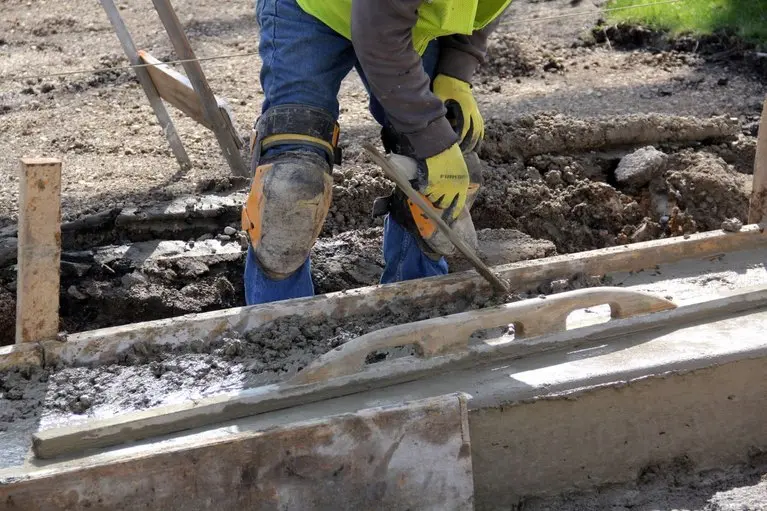
Guide on How to Choose a Concrete Contractor
Concrete Contractors: A Complete Guide Concrete work is one of those home improvement categories where…
Concrete Repair
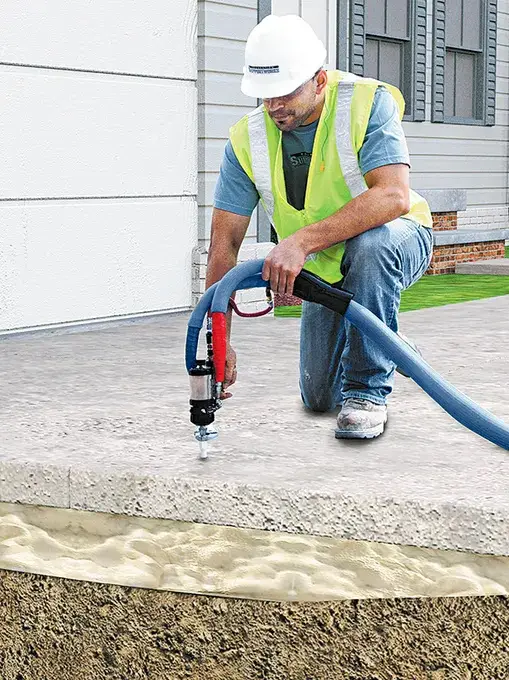
Mudjacking vs Polyjacking Guide
Mudjacking vs Polyjacking: The Complete Guide to Lifting Sunken Concrete The wheelbarrow catches on something…
Concrete Repair
Driveway Repair
Your cracked driveway may be a soil problem, not just a concrete one.