
Texas Home Maintenance Checklist: Protect Your Foundation
Most home maintenance lists start with the roof, the air filters or the gutters. In Texas, the smartest place to start is the ground under your house. Expansive clay soil, long droughts, sudden downpours and the occasional hard freeze put Texas foundations under steady stress.
When the foundation moves, the rest of the house follows: doors stick, drywall cracks, tile splits and plumbing lines take the strain.
This guide puts the foundation first. You’ll find a season-by-season home maintenance checklist built for Texas weather, a simple way to tell when a handyman is enough and when you need a foundation or concrete specialist, and a short guide to vetting home repair contractors.
We also cover two groups with their own needs: seniors who want to age in place safely, and landlords who handle property maintenance for one rental or many.
G.L. Hunt Foundation Repair has repaired foundations and concrete across Texas since 1987. Nearly every repair we’ve done could have been smaller if someone had caught the warning signs earlier.
Why Texas Home Maintenance Starts at the Foundation?
Much of Central and North Texas sits on clay soil that swells when it gets wet and shrinks when it dries. In a wet spring the soil pushes up against your slab. In August it pulls away, and parts of the foundation lose support. Over the years, that cycle can cause settlement, heave and cracks.
The good news is that most of what protects a foundation is ordinary home maintenance: keeping water moving away from the house, keeping soil moisture steady, and noticing small changes before they turn into big ones. Gutters, grading, sprinklers, trees and plumbing all affect what happens under your slab.
If you want a one-page version to print and keep in the garage, see our home inspection checklist.
The Season-by-Season Texas Home Maintenance Checklist
Texas weather doesn’t follow the four tidy seasons in most national checklists. This calendar is built around what actually happens here.
Spring (March–May): Storm Season and Drainage Checks
Spring brings heavy rain, hail and the first big swings in soil moisture. The focus is water management.
If water keeps collecting near your home, our drainage solutions post explains when a French drain or regrading makes sense.
Summer (June–September): Drought and Soil Moisture
Summer is the hardest season on Texas foundations. As clay dries out it shrinks, and gaps can open between the soil and the slab.
Fall (October–November): Recovery and Repair Season
Fall is when you see what summer did. It’s also the best time to plan repairs before winter.
Winter (December–February): Freeze Prep and Plumbing Protection
Texas winters are usually mild, but hard freezes like the February 2021 storm show how fast things can go wrong.
For a deeper month-by-month version, read our seasonal maintenance post.
Handyman vs. Foundation Specialist: Who Should You Call?
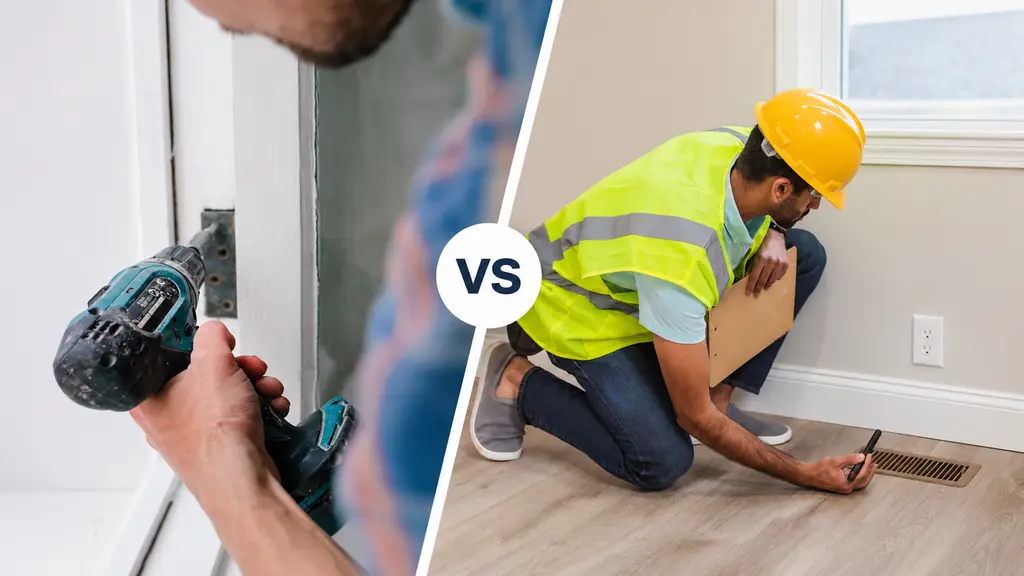
Not every crack needs a foundation company, and not every problem should go to a handyman. Here’s a simple way to sort them.
When a Handyman Is the Right Call
A good handyman or general home maintenance service is a great fit for routine, cosmetic or small fixes:
When You Need a Foundation or Concrete Specialist
Call a specialist when the problem points to movement, not wear and tear:
Protect Your Foundation, Protect Your Home
A consistent home maintenance routine is the cheapest insurance a Texas homeowner can have. Keep water moving away from the house, keep soil moisture steady, watch for small changes and call the right professional when something points to movement.
If you’ve spotted cracks, sticking doors or sunken concrete, G.L. Hunt can help. Our team has inspected and repaired Texas foundations and concrete since 1987. Schedule a foundation inspection today and find out what’s happening under your home.
Schedule Your Foundation Inspection.
FAQ
How much should you budget for home maintenance?
A common guideline is to set aside 1% to 4% of your home’s value each year for maintenance and repairs. Plan toward the higher end for older homes, homes on expansive clay, or homes with mature trees nearby. Regular inspections help you catch small problems before they become costly repairs.
What are the four types of maintenance?
The four types are corrective, preventive, risk-based and condition-based maintenance. For homeowners: corrective fixes what’s broken, preventive follows a schedule, risk-based puts high-impact systems like the foundation first, and condition-based acts on warning signs such as new cracks or sticking doors.
What are 10 vital home maintenance tasks I’ll regret if I forget?
Clean the gutters, extend the downspouts, check the grading, water the foundation during droughts, adjust the sprinklers, insulate the pipes, test smoke and CO detectors, change the HVAC filters, seal concrete cracks and schedule a foundation inspection. Skipping any of these can turn a small issue into a major repair.
What is the best checklist for home maintenance?
The best checklist matches your climate and your home. For Texas homeowners, that means a seasonal list that starts at the foundation: drainage in spring, soil moisture in summer, crack checks and repairs in fall, and freeze protection in winter. Keep dated photos so you can track changes over time.
Related Articles
For more expert information about your foundation, crawl space and drainage needs, check out our helpful articles!

Foundation Repair
Living in Your Home During Foundation Repair
From free inspection to final elevation readings, here’s what the foundation repair process looks like…
Common Foundation Problems
Drywall Cracks
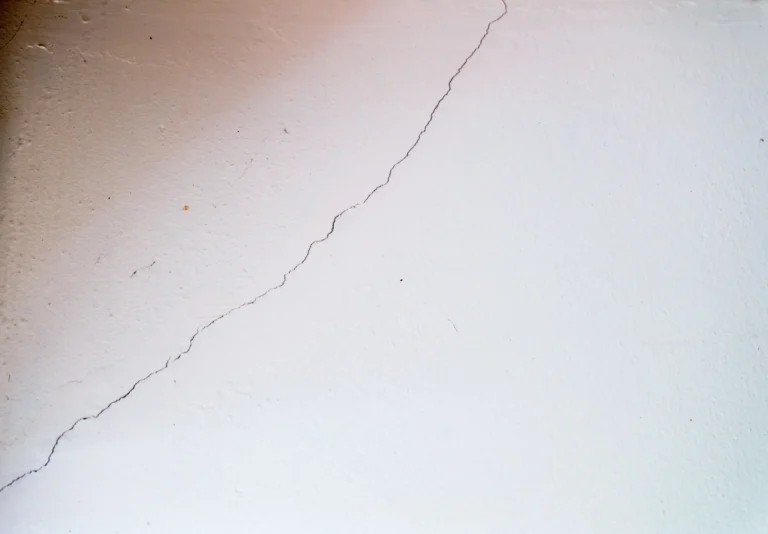
Drywall Cracks: Foundation Problem or Normal Settling? A new crack over a doorway is hard…

Common Foundation Problems
Signs of Foundation Problems
The Hidden Damage Homeowners Miss: A Room-by-Room Walkthrough It starts small. A door that used…