
Can You Live in Your House During Foundation Repair?
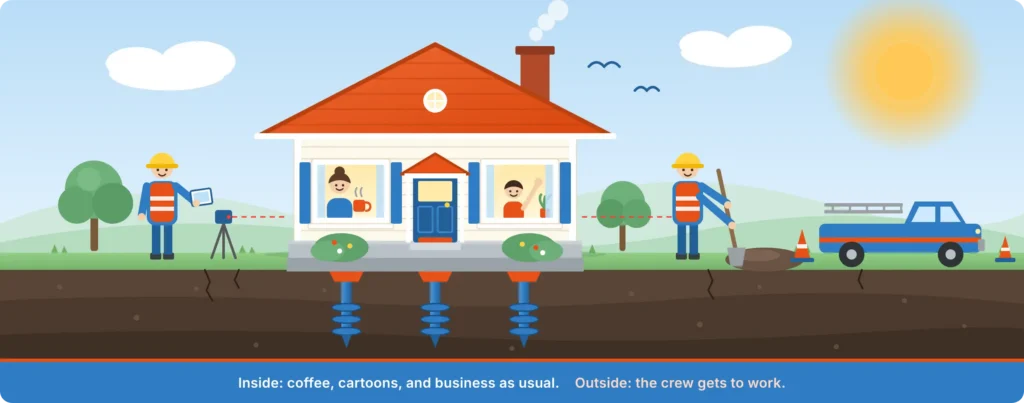
Yes. Most homeowners stay in their house during foundation repair, and most families go about their normal routines while the crew works. Pier installation on a typical Texas home happens mostly outside, takes a few days, and doesn’t require you to move out, shut off utilities, or pack up the kitchen.
It isn’t silent, though, and it isn’t invisible. There will be digging in your yard, some loud stretches, and a crew coming and going.
This guide covers our foundation repair process, from the free inspection to the final elevation readings, so you know what happens at each step and how it affects daily life at home.
Step 1: The Free Inspection
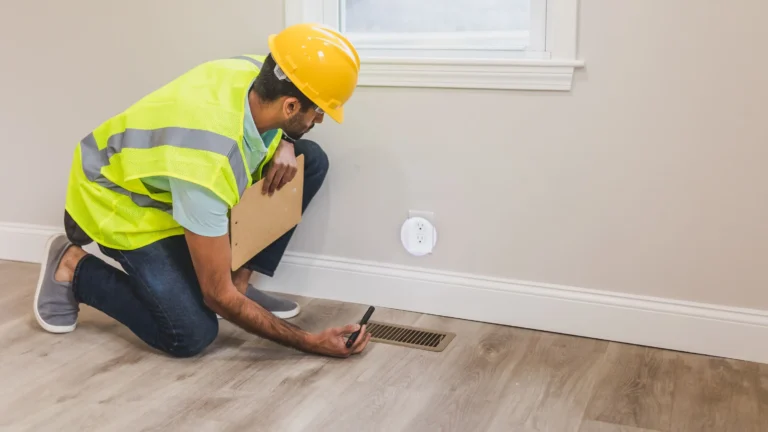
Everything starts with a visit from a foundation specialist. They walk the inside and outside of your home looking at the signs you’ve probably already noticed: cracks in drywall or brick, doors that stick, gaps around windows, sloping floors.
The most important part of the visit is the elevation survey. Using a digital level, the specialist takes readings at points across your floor to map where the foundation has dropped and by how much. Those readings show which areas need support and how many piers the job will take.
You’ll get a written repair plan and proposal, usually during the visit or shortly after. Your home is fully occupied the whole time. It’s a walk-through, not construction.
Step 2: The Engineer’s Report
On many jobs, a licensed structural engineer reviews the findings before work begins. The engineer looks at the elevation data and the proposed pier layout and puts their recommendation in writing.
An engineer’s report is worth having even when it’s optional:
- It gives you an independent opinion on the cause of the movement and the right fix.
- It’s often what a city needs to approve a permit.
- It becomes part of the paper trail buyers, inspectors, and lenders will ask to see if you sell the house.
Depending on the engineer’s schedule, this step usually takes a few days to a couple of weeks. It doesn’t affect your household at all.
Step 3: Permits
Many Texas cities require a permit for foundation repair, though the rules vary by municipality. In most cases your foundation repair company pulls the permit for you and schedules any required inspections with the city.
How long a permit takes depends on where you live. Some cities approve foundation permits in a day or two, and busier jurisdictions can take longer. This is often the step that sets your install date, so ask your project coordinator for a realistic estimate for your city.
Step 4: Repair Day – What to Expect During Foundation Repair
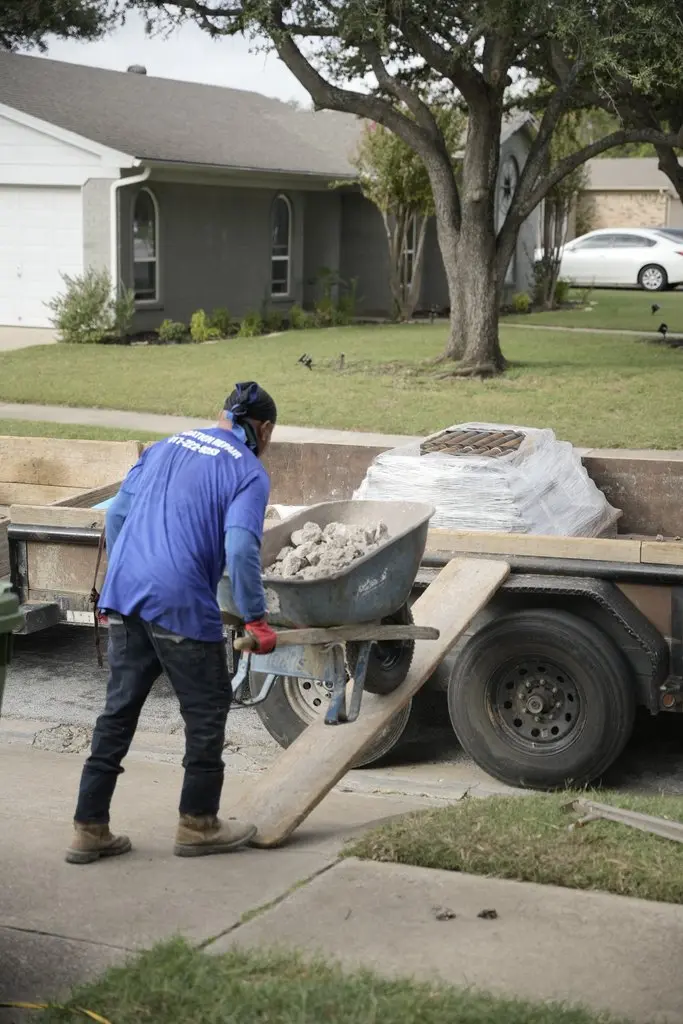
Before any digging starts, the crew covers your lawn with plastic or plywood and temporarily moves plants near the work area. Those plants get replanted when the job is done. Most piers go in from outside.
Under driveways or patios, the crew breaks through the concrete to dig small access holes, roughly 2 feet by 2 feet by 3 feet. If your home needs interior piers, we’ll coordinate with you ahead of time to keep the disruption inside as small as possible.
At each location, the crew drives 6,000 PSI pressed concrete cylinders until they reach the resistance needed to carry your home’s weight. Then they add a piling cap and reinforcement. Hydraulic jacks lift the foundation back as close as possible to its original elevation, while a senior foundation specialist monitors the lift in real time. Steel shims lock everything in place.
Noise and Access
Expect some loud periods during the day, mostly while the crew is digging and breaking concrete. Evenings stay quiet. Before work starts, move vehicles out of the driveway, clear patio furniture away from the walls, point out sprinkler lines, and unlock gates.
What You May Notice Inside
As the house lifts, sticking doors may start closing properly and some drywall cracks may close up. Small new cosmetic cracks can also appear as the framing adjusts, which is normal. Take pictures down from walls and secure fragile items on the side of the house being lifted.
Step 5: Final Readings, Cleanup, and Walkthrough
When the lift is complete, the crew backfills the access holes, patches any concrete they opened, replants your landscaping, and cleans and washes the driveway, sidewalks, and work areas. They also check the soil grading so rainwater drains away from your foundation.
After that, the crew:
- Backfills and compacts the access holes
- Patches any interior slab openings
- Cleans up the work area
- Hands off documentation, including the final readings and warranty paperwork
Before the job is closed, the crew walks the property with you to make sure you’re fully satisfied. You’ll get your limited lifetime warranty, which stays with the house if you ever sell.
How Long Does Foundation Repair Take?
This is one of the most common questions we hear. It depends on the size of the job and the type of repair. Minor crack repairs can be done in one to three days, while major foundation stabilization projects can take one to three weeks. Here’s how a typical project comes together:
Heavy rain, freezing temperatures, and tight or heavily landscaped access can extend the schedule. Your project coordinator will keep you updated if anything changes.
What Happens Next?
Once the crew is gone, there’s still a settling-in period: minor cosmetic touch-ups, doors that may need adjusting, and some simple habits that protect your foundation going forward. We walk through all of it in our guide, What to Expect After Home Foundation Repairs.
Planning a Foundation Repair? Start with a Free Inspection
G.L. Hunt Foundation Repair has been repairing foundations across Texas since 1987. If you’re seeing cracks, sticking doors, or uneven floors, schedule a free inspection. We’ll take elevation readings, explain what’s going on, and walk you through every step before any work starts.
FAQ
Can I stay in my house during foundation repair?
Yes. Most homeowners stay in their home during foundation repair. The majority of pier work happens outside, and utilities usually stay on. Expect some noise during daytime hours and keep kids and pets away from the work area. Jobs with extensive interior piers may warrant a short stay elsewhere.
How long does foundation repair typically last?
Installation on most homes takes one to three days. The full project, including the inspection, engineer’s review, and permit approval, often takes a few weeks from start to finish, depending on your city and the size of the job. Weather and interior pier work can extend the schedule.
Do foundation repairs devalue a home?
Unrepaired foundation damage is what usually hurts a home’s value. A professional repair backed by an engineer’s report, final elevation readings, and a transferable warranty can reassure buyers and lenders. Keeping complete documentation is the best way to protect your home’s marketability after foundation repair.
Is it illegal to sell a house with foundation issues?
No. It’s legal to sell a home with foundation problems, but Texas sellers must disclose known defects, including past foundation repairs, on the Seller’s Disclosure Notice. Hiding known issues can create legal liability. Talk to a real estate attorney or agent about your specific situation.
Related Articles
For more expert information about your foundation, crawl space and drainage needs, check out our helpful articles!
Foundation Repair
Texas Home Maintenance Checklist
Texas Home Maintenance Checklist: Protect Your Foundation Most home maintenance lists start with the roof,…
Common Foundation Problems
Drywall Cracks
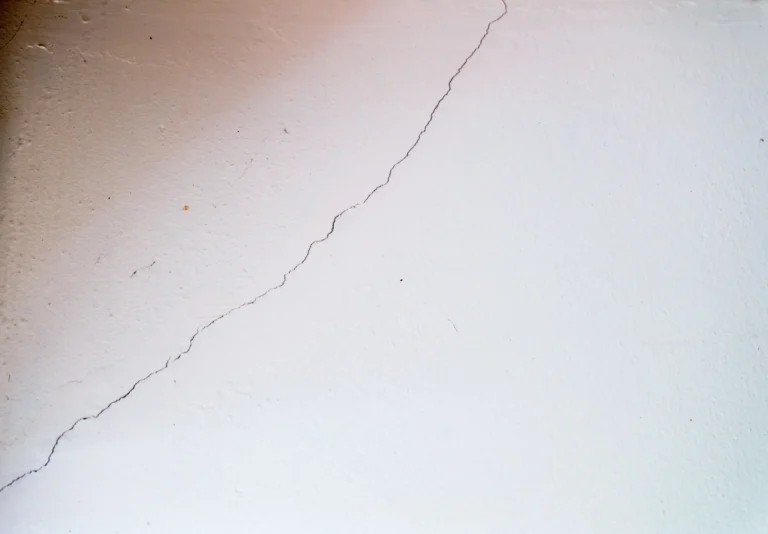
Drywall Cracks: Foundation Problem or Normal Settling? A new crack over a doorway is hard…

Common Foundation Problems
Signs of Foundation Problems
The Hidden Damage Homeowners Miss: A Room-by-Room Walkthrough It starts small. A door that used…