Why Texas Foundations Are So Vulnerable
Most of the damage comes down to one thing: soil. Much of Texas sits on expansive clay soil, a type of ground that reacts strongly to moisture changes. When it’s dry, clay soil shrinks and pulls away from a foundation. When it’s saturated, it swells and pushes against it. That constant expansion and contraction is at the root of most Texas foundation problems.
If you’re noticing signs of this at your home, G.L. Hunt Foundation Repair can help you assess the damage and recommend next steps.
How Summer Heat Damages Foundations
During long stretches of extreme heat, moisture evaporates from the soil surrounding a home. As the ground dries out, it shrinks and creates gaps beneath the foundation slab. Without consistent support underneath, sections of the slab can begin to sink or crack.
Common signs of heat-related foundation stress include:
- Cracks forming along exterior walls or brick veneer
- Gaps appearing between the foundation and the soil line
- Doors and windows that suddenly stick or won’t latch properly
- Uneven or sloping floors inside the home
How Heavy Rain Adds to the Problem
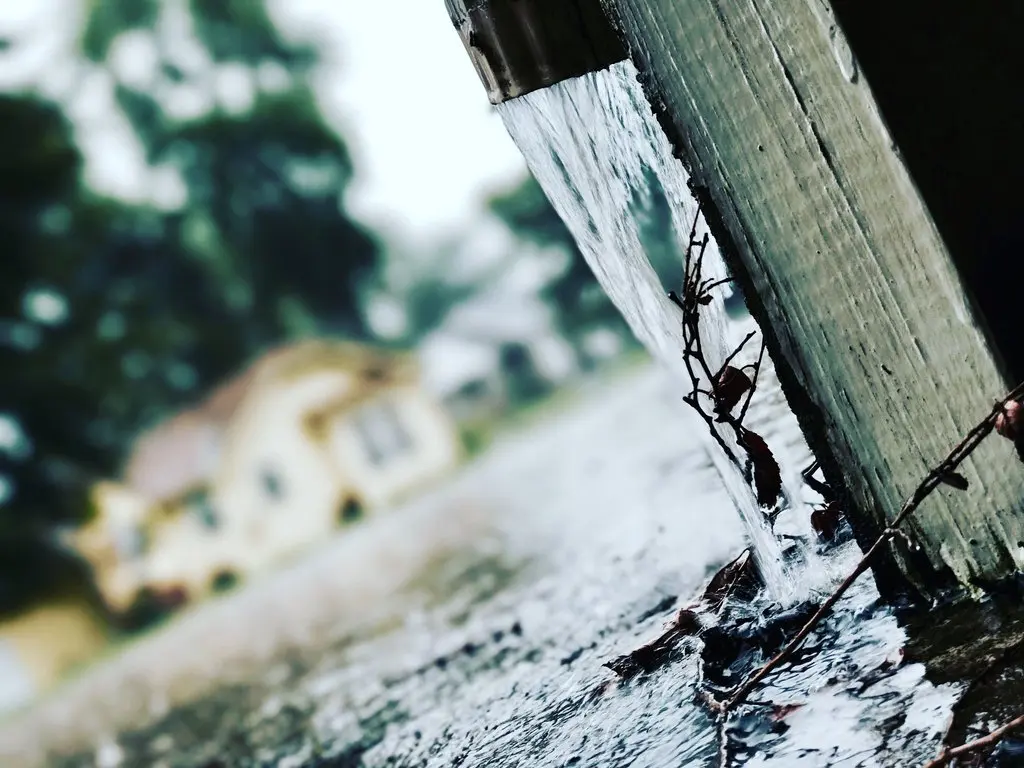
Just as quickly as heat dries out clay soil, heavy rain can reverse the damage in the opposite direction. When storms roll through, the same expansive clay soil that shrank during a drought now absorbs water and swells rapidly. This uneven expansion pushes against the foundation from multiple directions at once, often worsening cracks that started during the dry season.
Heavy rain also contributes to:
- Poor drainage pooling water near the foundation perimeter
- Hydrostatic pressure building against foundation walls
- Soil erosion that removes support from under slab edges
The Cycle That Wears Foundations Down
The real danger isn’t one hot summer or one big storm. It’s the repeated cycle, year after year, of shrink and swell. Each cycle adds a little more stress to the foundation, and over time, small cracks can become significant structural issues. This seasonal pattern is why summer foundation problems tend to show up as an accumulation rather than a single event.
Signs It’s Time for a Foundation Inspection
Homeowners often wait until problems are visible from the street, but early signs are usually more subtle. Consider scheduling a foundation inspection if you notice:
- Cracks in drywall, especially near doors and windows
- Gaps between walls and ceilings
- Floors that feel uneven when walking room to room
- Exterior cracks in brick, mortar, or the foundation itself
- Doors or windows that no longer close smoothly
A professional inspection can catch these issues early, before they require more extensive texas foundation repair.
Conclusion: Protecting Your Foundation Through the Seasons
While no home is completely immune to Texas soil conditions, a few habits can reduce the impact of seasonal shifts:
- Keep consistent moisture levels around the foundation with soaker hoses during dry months
- Maintain gutters and downspouts to direct water away from the home
- Grade soil so water flows away from, not toward, the foundation
- Watch for new cracks or shifts after major heat waves or storms
Foundation problems in Texas rarely happen overnight. They build gradually, shaped by the same heat and rain cycles that define the state’s climate. Recognizing the early warning signs and scheduling a foundation inspection at the first sign of trouble can save homeowners from more serious repairs down the road.
FAQ
Does Texas have a lot of foundation issues?
Yes. Texas has some of the highest rates of foundation problems in the country due to widespread expansive clay soil combined with extreme seasonal swings between heat and heavy rainfall, which cause the ground to repeatedly shrink and swell beneath homes.
Is it hard to sell a house with foundation repairs?
Not necessarily. Many buyers in Texas understand that foundation repairs are common and can view documented, professionally completed repairs as a sign the issue was properly addressed, especially when warranty information is available for the work performed.
When to walk away from foundation issues in Texas?
This depends on the severity and cause of the damage. Homeowners should consult a licensed structural engineer or foundation specialist to evaluate whether the issue is stable and repairable or indicates ongoing structural risk that outweighs the value of the property.
What state has the most foundation issues?
Texas is frequently cited among the states most affected by foundation problems, largely because of its widespread expansive clay soil and dramatic swings between hot, dry summers and heavy seasonal rainfall.
Related Articles
For more expert information about your foundation, crawl space and drainage needs, check out our helpful articles!
Foundation Repair
Poly Foam vs. Piers: Which Foundation Repair Method Is Right for You?
Poly Foam vs. Piers: A Complete Guide For You It usually starts small. A hairline…
Foundation Repair
Before the Crack Becomes a Crisis
Foundation Repair Cracks When we talk about foundation repair cracks, there’s a moment most homeowners…
Common Foundation Problems
How Does Texas Clay Soil Damage Your Foundation Over Time?
How Does Texas Clay Soil Damage Your Foundation Over Time? Picture this: it’s a Saturday…