Protecting The Properties Where Care Happens Every Day
Foundation movement, uneven concrete and moisture problems create distinct challenges in healthcare and senior living environments. Repairs must address the property conditions without losing sight of resident safety, patient access or the facility’s daily responsibilities.
G.L. Hunt provides commercial foundation repair and related property solutions for healthcare and senior living facilities across Texas. Our team evaluates the source of the problem and develops a plan around the needs of the building. When work moves forward, we coordinate with facility leadership to limit disruption and preserve access to occupied areas.
Structural And Site Concerns Require A Facility-Specific Approach
Healthcare campuses and senior living communities frequently contain structures built or expanded at different times. Each section responds differently to soil movement and moisture, leaving an older wing affected by settlement while an adjacent addition remains stable. These elevation differences interfere with flooring, door operation and transitions throughout the facility.
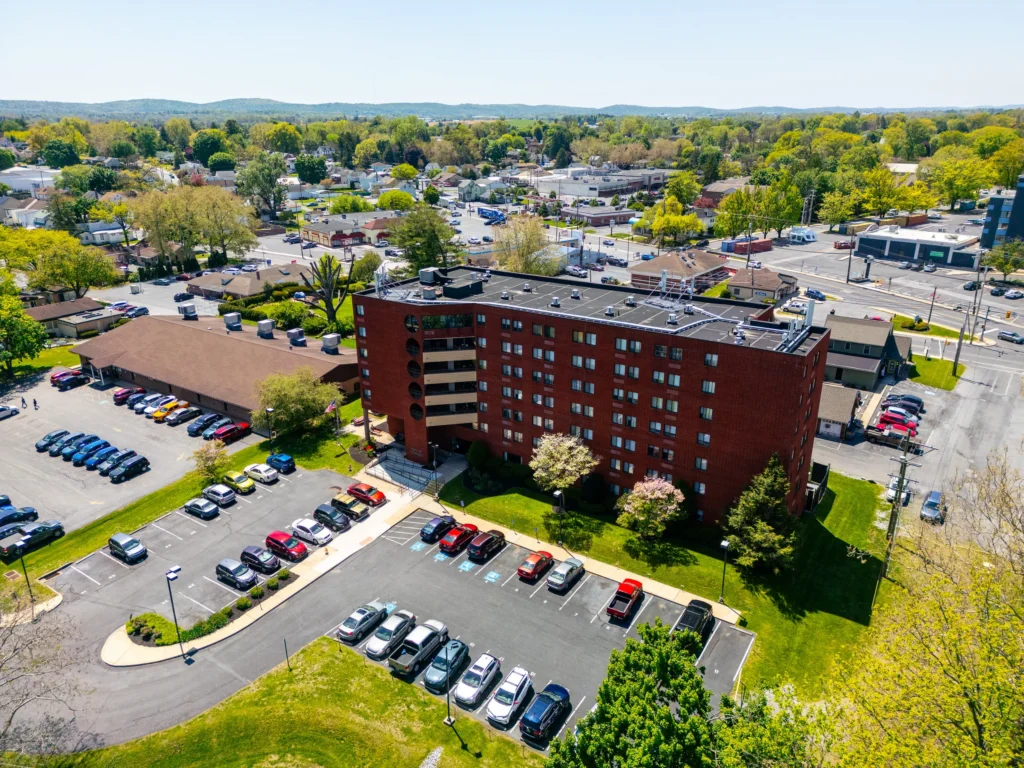
Exteriors require the same attention. Poor drainage near entrances leaves water in areas where patients, residents and visitors need reliable access. Settlement around ambulance bays or service areas disrupts vehicle movement and creates uneven pavement. Beneath occupied buildings, crawl space moisture contributes to deterioration and requires a remediation plan specific to the affected area.
A commercial assessment identifies whether visible damage stems from foundation movement, concrete settlement, drainage problems or another underlying issue. That distinction guides a repair plan focused on the source of the problem, not a series of disconnected surface repairs.
Signs Your Healthcare Or Senior Living Facility Needs An Assessment
Facility movement and moisture problems frequently reveal themselves through changes in the building’s surfaces, access points and exterior areas.
Uneven Floors And Walking Surfaces
Sloping floors, sunken concrete and abrupt elevation changes create difficult transitions for people using wheelchairs, walkers or other mobility equipment.
Recurring Cracks Or Separation
Cracks that widen or return after cosmetic repairs, along with separation between building sections, point to movement that deserves closer evaluation.
Doors That No Longer Operate Properly
Doors that drag, stick or fail to close correctly indicate that movement has altered the surrounding frame or floor elevation.
Water Collecting Around The Facility
Standing water near entrances, ambulance bays or foundations signals a drainage problem that could affect access and place additional stress on supporting soils.
Crawl Space Moisture
Persistent moisture beneath the building contributes to deterioration and signals the need for a closer look at drainage, ground coverage and the crawl space itself.
Problems That Affect Safety, Access And Building Performance
Structural and moisture problems rarely remain limited to one visible area. Movement beneath the building can alter floor elevations, strain transitions between additions and cause repaired finishes to crack again. These recurring issues indicate that the source of the movement remains unresolved.
At an occupied healthcare or senior living facility, property damage also becomes an operational concern. Uneven routes interfere with the movement of patients and equipment, while water near critical access points makes everyday use more difficult. Below the building, persistent moisture gradually contributes to deterioration in areas that are not always visible during routine facility checks.
Addressing the underlying problem provides a more durable solution than repeatedly correcting surface damage. G.L. Hunt evaluates how structural movement, drainage and below-building moisture are affecting the property so the repair plan reflects the full scope of the issue.
Foundation, Concrete And Drainage Solutions For Occupied Facilities
The right solution depends on the source and location of the problem. Our team evaluates how the affected area relates to the rest of the property, then develops a plan that accounts for both the required repairs and the needs of an occupied facility.
When foundation movement affects the building’s support system, tunneling or under-slab access provides a way to reach certain repair areas from the exterior. This approach limits the need to open interior floors and reduces interference within patient or resident spaces. Concrete and slab leveling addresses settled surfaces that disrupt walking routes, entrances and other frequently used areas.
Drainage improvements redirect runoff away from the foundation and exterior access points where water tends to collect. For buildings with accessible areas below the structure, crawl space remediation targets the moisture or support concerns identified during the inspection. Each recommendation reflects the specific problem rather than applying the same solution throughout the property.
How G.L. Hunt Plans Commercial Facility Repairs
G.L. Hunt coordinates each project with facility leadership before work begins. Scheduling, work-zone access, engineering requirements and facility-provided infection-control protocols are incorporated when applicable. Repairs may also be phased or scheduled after hours to preserve access and limit disruption within occupied areas.
What Affects The Cost Of Facility Repairs?
Repair costs reflect the extent of the damage and the work required to address its source. Leveling one section of settled concrete involves a much different scope than stabilizing an entire wing. Access also affects pricing, especially when crews must reach an area beneath an occupied part of the facility.
The repair method and project schedule further shape the estimate. Phased work requires additional coordination, while drainage corrections, crawl space remediation or engineering support are included when the documented conditions call for them.
A commercial assessment establishes the scope before recommendations are presented. Facility decision-makers can then evaluate the proposed work alongside operational needs and ownership priorities. Financing options are available for approved projects.
Commercial Experience Across Texas
G.L. Hunt is a family-owned company that has addressed foundation, concrete, drainage and crawl space concerns since 1987. Our experience includes occupied commercial properties where the repair itself is only one part of the planning process.
Healthcare and senior living work requires clear communication with the people responsible for the facility. Our team considers access requirements, work-zone restrictions and ongoing operations when developing the project plan. More than 7,000 five-star Google reviews company-wide reflect the level of service G.L. Hunt has provided to property owners and customers.
Request A Free Commercial Assessment
If foundation movement, uneven concrete or moisture is affecting your healthcare or senior living facility, G.L. Hunt can evaluate the conditions and develop a repair plan around the property’s operational needs. Request a Free Commercial Assessment to take the next step.