
Cracked & Uneven Concrete

Cracked concrete reduces the curb appeal of your home and makes it less appealing to potential buyers.

Concrete Repair Services

Cracked Concrete Repair In Texas

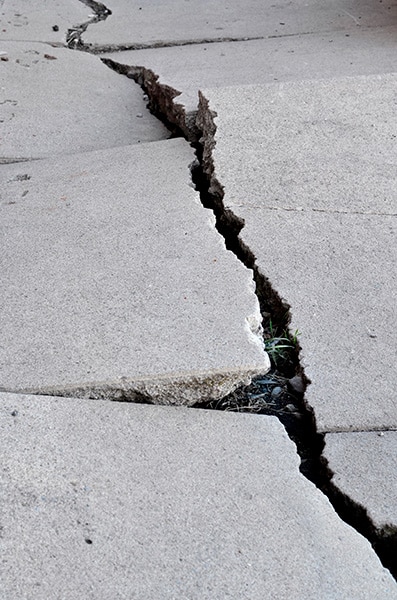
Cracked concrete isn’t just an eyesore — it poses significant safety hazards and can lead to more extensive structural damage over time. 

Small cracks can widen and deepen due to factors like weather changes, water infiltration and soil movement. This deterioration not only diminishes the aesthetic appeal of your property but also creates tripping hazards that can result in injuries. 

Unchecked cracks also allow water to seep beneath the surface, potentially causing erosion and compromising the foundation of adjacent structures. Whether it’s your driveway, walkway, patio or any other concrete surface, addressing cracks promptly is crucial. 

By taking immediate action, you can prevent minor issues from escalating into major problems, ultimately saving you time, money and stress. Investing in professional cracked concrete repair restores the beauty and safety of your surfaces, ensuring they remain durable and reliable for years to come.

Uneven, Cracked Concrete in need of Concrete Repair services

Common Causes Of Concrete Cracks

Soil Movement

Expanding and contracting soil can put pressure on concrete slabs.

Freeze-Thaw Cycles

Water seeping into cracks can freeze, expand, and worsen the damage.

Poor Installation

Inadequate reinforcement or improper mixing can lead to early cracking.

Heavy Loads

Excessive weight from vehicles or equipment can stress the concrete.

Our Expert Concrete Repair Solutions

At GL Hunt, we specialize in comprehensive cracked concrete repair services across Texas — including San Antonio, Austin, Waco, Fort Worth and Dallas. Our team utilizes advanced techniques and high-quality materials to ensure a durable and long-lasting fix.

assessment icon

Detailed Assessment

Thorough inspection to determine the root cause of the cracks

plan icon

Customized Repair Plan

Tailored solutions to address your specific needs

professional icon

Professional Execution

Skilled technicians who deliver exceptional results
The Benefits Of Repairing Cracked & Uneven Concrete

By addressing cracks promptly, you can enjoy a range of benefits that enhance the functionality, aesthetics and value of your concrete surfaces. Repairing cracked concrete isn’t just about improving appearance — it’s an investment in the longevity and safety of your property. 

  • Enhanced safety — Reduce the risk of trips and falls.
  • Improved aesthetics — Boost your property’s curb appeal.
  • Reduced damage — Stop small cracks from becoming big problems.
  • Increased property value — Well-maintained surfaces can add value to your home.
  • Better accessibility — Your property should be accessible to guests of all abilities.
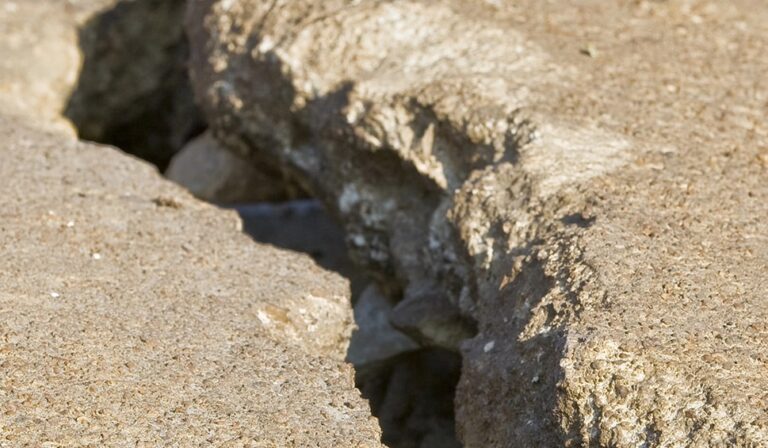
Deep crack in a concrete surface exposing underlying material

Is Polyurethane Foam Lifting The Right Solution For Your Concrete?

Polyurethane foam lifting is a cost-effective and efficient solution for repairing uneven concrete. It’s a non-invasive process that can be completed quickly, with minimal disruption to your daily routine. The process is also environmentally friendly and long-lasting, making it an excellent choice for homeowners looking to address concrete repair issues.

If you’re experiencing any of the signs of foundation settling, learn more about Polyurethane Foam or booking a free concrete repair estimate with G.L. Hunt Foundation repair to discuss whether this method of concrete repair is the right solution for your property.

Cracked & Uneven Concrete Resources: 

FAQs

How Do I Choose A Good Concrete Repair Contractor?

Finding the right concrete repair contractor can make the difference between a quick fix and a repair that truly lasts. Here’s how to make a confident choice:

gl hunt favicon1. Go Local for Real Expertise

Choose a contractor who understands Texas soil — especially the expansive clay that challenges so many foundations. Local experience means smarter, longer-lasting repairs.

gl hunt favicon2. Check Reviews and References

Read recent reviews and ask for references from past clients. Look for consistent satisfaction, clear communication, and dependable follow-through.

gl hunt favicon3. Ask About Methods and Materials

A reputable company will explain why they use certain products or repair techniques — not just what they’re doing. Transparency shows confidence and professionalism.

gl hunt favicon4. Get Everything in Writing

From the estimate to the warranty, every detail should be documented. That includes the scope of work, cost, and timeline. If it’s not in writing, it’s not guaranteed.

gl hunt favicon5. Don’t Let Price Be the Deciding Factor

Low bids often mean low-quality materials or shortcuts. Focus on long-term value — a proper repair saves money (and stress) in the long run.

At G.L. Hunt Foundation Repair, we’ve built our reputation on honesty, craftsmanship, and repairs that stand up to Texas weather. We’re always happy to answer your questions before, during, and after service.

What Is The Best Method Of Concrete Leveling?

The right concrete leveling solution depends on how severe the settling is, where the damage occurs, and the type of soil beneath the slab. In Texas — where expansive clay and shifting soils are a constant challenge — one method stands above the rest:

Polyjacking (Foam Injection Leveling)

Polyjacking uses high-density polyurethane foam to lift and stabilize concrete with precision.
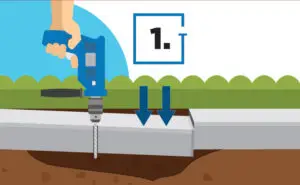
 

Illustration of a person using a drill to install foundation support, with step 1 indicated
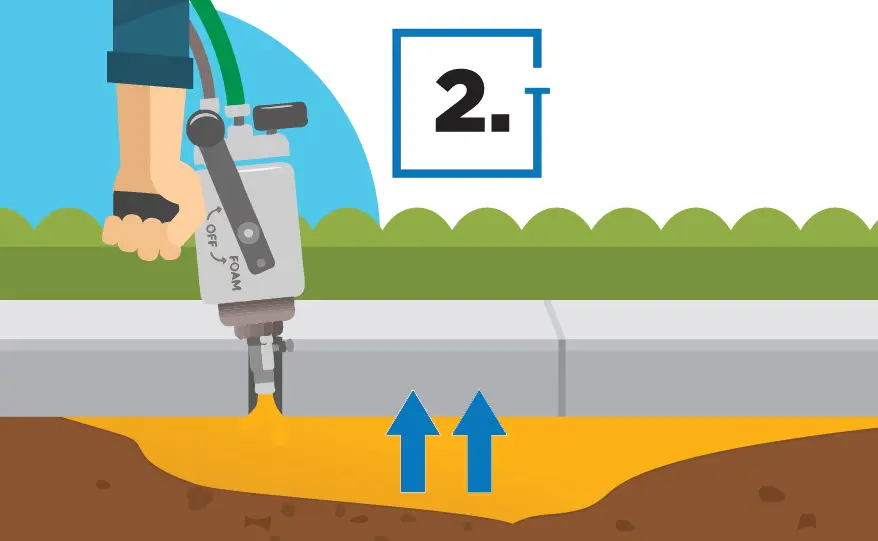
The Foam Is Injected Beneath The Slab.

  • Small injection holes are drilled into the concrete surface.
  • Polyurethane foam is pumped through the holes.
  • The foam fills gaps caused by soil settlement or erosion.
Step 2 illustration
It Expands To Fill Voids And Gently Raise The Surface.

  • The expanding foam lifts the concrete back to its proper level.
  • Technicians carefully monitor the lift for stability.
  • This process restores a smooth, even surface without heavy equipment.
Step 3 illustration
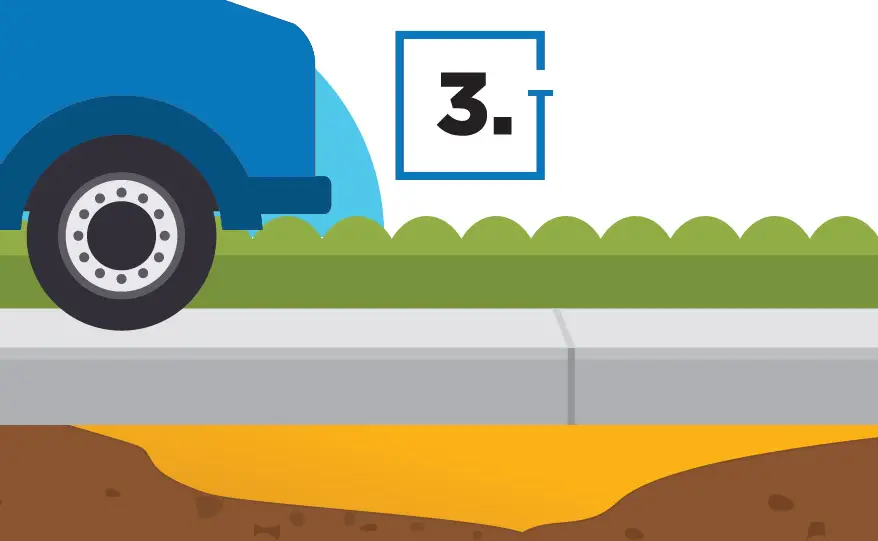
It’s Lightweight, And Cures In Minutes.

  • The foam hardens quickly, minimizing downtime for homeowners.
  • It’s strong yet lightweight, preventing further soil stress.
  • The repaired area is often ready for use the same day.

This advanced method offers homeowners a faster, cleaner, and more durable solution compared to traditional concrete repair. There’s no need for heavy demolition, and your driveway, walkway, or patio is often ready to use the same day.

At G.L. Hunt Foundation Repair, we specialize in polyjacking because it delivers long-lasting results with minimal disruption. Our experts assess every project individually to recommend the most effective solution for your home — one that stands up to Texas’s unpredictable soils and protects your property for years to come.

Should You Fill A Crack In Concrete With More Concrete?

It might seem intuitive to fix a crack in concrete by simply pouring more concrete into it — but this approach is rarely effective in the long run, especially in Texas. Traditional concrete doesn’t bond well with already cured concrete and lacks the flexibility needed to accommodate future expansion or contraction.

For hairline or small cracks, the best solution is to use:

  • Flexible concrete sealants or fillers, often made with polyurethane or silicone, which move with the slab and help prevent re-cracking.
  • Epoxy injections in cases where structural reinforcement is needed.

For larger or structural cracks, you may need:

  • A patching compound
  • Professional assessment to evaluate soil movement or underlying damage
    Our team uses materials designed for Texas’s shifting clay soils, ensuring any repair is durable and long-lasting.
Can I Repair Concrete Myself?

For minor cosmetic issues, like hairline cracks or small surface blemishes, DIY concrete repair is possible using store-bought patching materials, caulk or sealants. However, DIY repairs have limitations, especially when it comes to structural stability or long-term durability.

Here’s when DIY might work:

  • Small cracks under 1/4 inch wide
  • Cosmetic blemishes not affecting safety or drainage
  • Surfaces that don’t bear heavy loads (like garden paths)

However, for larger cracks, sunken slabs or signs of soil movement, it’s best to consult a professional. Improper repairs may:

  • Fail to bond with the original concrete
  • Crack again due to poor flexibility or preparation
  • Hide underlying problems like foundation shifting

Professional contractors use commercial-grade materials, proper tools and expert assessment — especially important in areas with volatile soils like those in Texas.

Will The Repair Be Noticeable After It's Done?

That depends on the type of repair and the finish applied, but in many cases, concrete repairs can be blended to minimize visual disruption.

Here’s what to expect:

  • Small crack repairs using sealants or fillers may be slightly visible, especially if the color doesn’t match the existing concrete perfectly. Over time, weathering can help the repair blend in.
  • Leveling techniques like polyjacking usually don’t affect surface appearance — they lift the slab from beneath, preserving its look.
  • Patchwork or resurfacing repairs may leave a visual outline unless the entire surface is resurfaced for uniformity.

For highly visible areas like patios or walkways, we can use tinted compounds, decorative overlays or full resurfacing to create a seamless finish. If aesthetics are a priority, let your contractor know up front so they can tailor the solution accordingly.

Why Does Concrete Crack?

Concrete is strong, but it’s not immune to environmental forces — and in Texas, it faces extreme conditions that contribute to concrete cracking:

  • Expansive clay soils — These soils swell during rainy periods and shrink during droughts, causing constant movement beneath slabs.
  • Temperature fluctuations — Concrete expands in the heat and contracts in cooler weather, leading to stress over time.
  • Improper installation or curing — If the concrete wasn’t mixed, poured or cured properly, it’s more likely to crack prematurely.
  • Heavy loads and settlement — Driveways and foundations may sink unevenly under weight or due to soil compaction issues.
  • Poor drainage — Water pooling near or under concrete increases hydrostatic pressure, destabilizing the slab.

Understanding the cause helps determine whether a crack is merely cosmetic or symptomatic of a deeper issue. That’s why we always begin with a thorough site inspection.

When Should I Be Worried About Concrete Cracks?

Not all cracks are cause for alarm — but some signal serious problems. You should be concerned if:

  • The crack is wider than 1/4 inch
  • It is growing or widening over time
  • You notice vertical displacement, meaning one side of the crack is higher than the other
  • The crack is near load-bearing areas, like columns or corners of a foundation
  • It’s accompanied by water intrusion, moisture stains or soil erosion

Cracks that appear after drought or rainstorms are especially concerning in Texas. If you’re unsure whether your cracks are structural or superficial, a professional inspection can provide clarity and peace of mind.

How Do I Stop Concrete From Cracking?

While no concrete is completely crack-proof, you can significantly reduce the risk by taking preventative steps:

  • Use the right mix — The concrete mix should be designed for Texas’s climate, balancing strength, flexibility and curing properties.
  • Install control joints — These guide where cracks form, preventing random breaks across the slab.
  • Proper curing — Concrete must cure slowly and evenly to avoid shrinkage cracks. That means keeping it moist during the early stages.
  • Address soil and drainage — Compacted soil and good water management prevent uneven settling and expansion beneath the slab.
  • Seal regularly — Concrete sealers add a protective barrier against moisture, temperature extremes and surface wear.

Whether you’re pouring a new slab or maintaining an existing one, proactive care can extend its lifespan and reduce costly repairs later.

Can You Pour Concrete Over Existing Concrete?

Yes, you can pour new concrete over existing concrete — but only if the base is stable and properly prepped. Pouring directly onto damaged or unstable slabs can cause the new layer to crack just like the old one.

To do it right:

  • Clean and roughen the surface to promote adhesion
  • Repair existing cracks or holes
  • Apply a concrete bonding agent
  • Consider control joints to manage stress in the new layer

This method is often used for patios, walkways or garage floors where a full replacement isn’t necessary. G.L. Hunt ensures every overlay job meets structural standards and resists the expansion/contraction common in Texas climates.

Is Concrete Leveling Worth It?

Absolutely — concrete leveling is a cost-effective and minimally invasive solution that delivers major benefits:

  • Safety — Eliminate tripping hazards from uneven slabs on driveways, sidewalks or pool decks.
  • Curb appeal — Smooth surfaces improve property value and appearance.
  • Longevity — Leveling corrects settling without requiring full replacement, saving thousands in future repairs.
  • Prevention — Restoring even support helps prevent water intrusion, soil erosion and further cracking.

Especially in Texas, where the ground is constantly shifting, concrete leveling offers long-term peace of mind and protects your investment.

How Can You Tell If A Concrete Crack Is Structural?

Determining if a crack is structural involves analyzing several factors beyond just width. Structural cracks typically form due to foundation movement, soil pressure or settling and may require immediate attention.

Red flags include:

  • Cracks wider than 1/4 inch or those that widen over time
  • Diagonal cracks, especially at the corners of doors or windows
  • Stair-step cracks in masonry or brick
  • Vertical displacement, where one side of the crack is higher than the other
  • Recurring moisture or foundation movement near the crack

Cosmetic cracks tend to be shallow and don’t change much. If you’re unsure, our licensed specialists offer foundation and concrete inspections to determine whether repairs are cosmetic or structural — and what next steps are needed.

Get Your Free Estimate Today!

Our team values honest and transparent communication, and that extends to our pricing. Contact our experts to get your free estimate today!

Free Estimate


Proud To Be Recognized For Our Hard Work

🚨 Foundation Issues Won't Fix Themselves

Are you noticing sticky doors, uneven floors and unsightly foundation cracks? Book a free foundation repair estimate with G.L. Hunt to protect your property.