How Does Texas Clay Soil Damage Your Foundation Over Time?
Picture this: it’s a Saturday morning in Fort Worth. You’re making coffee, and your spouse calls from the hallway, “Hey, did this door always stick like this?” You shrug it off. A week later, you notice a thin crack running along the corner of your living room wall. Still not alarmed.
Then during the next heavy rain, you spot water pooling along the base of your home, right where the soil meets the brick. What you’re seeing isn’t bad luck.
It’s the kind of thing the team at GL Hunt Foundation Repair hears from Fort Worth homeowners every week, what starts as a sticking door ends up being a foundation problem years in the making.
What Makes Texas Clay Soil So Problematic?
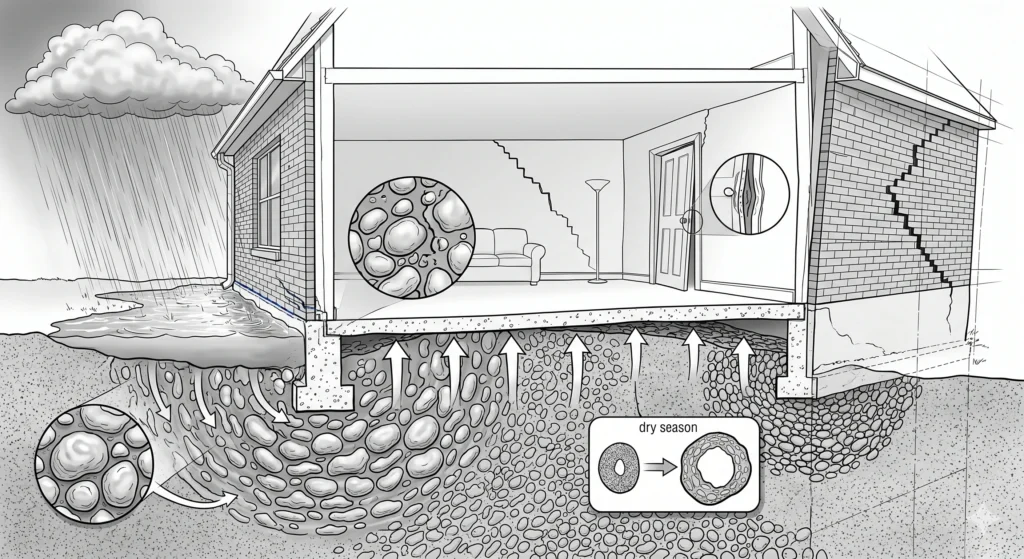
Texas sits on some of the most expansive clay soil in the country. Unlike sandy or loam-based soils that drain quickly and stay relatively stable, expansive clay soil in Texas behaves more like a sponge, absorbing moisture and swelling dramatically, then shrinking and cracking as it dries out.
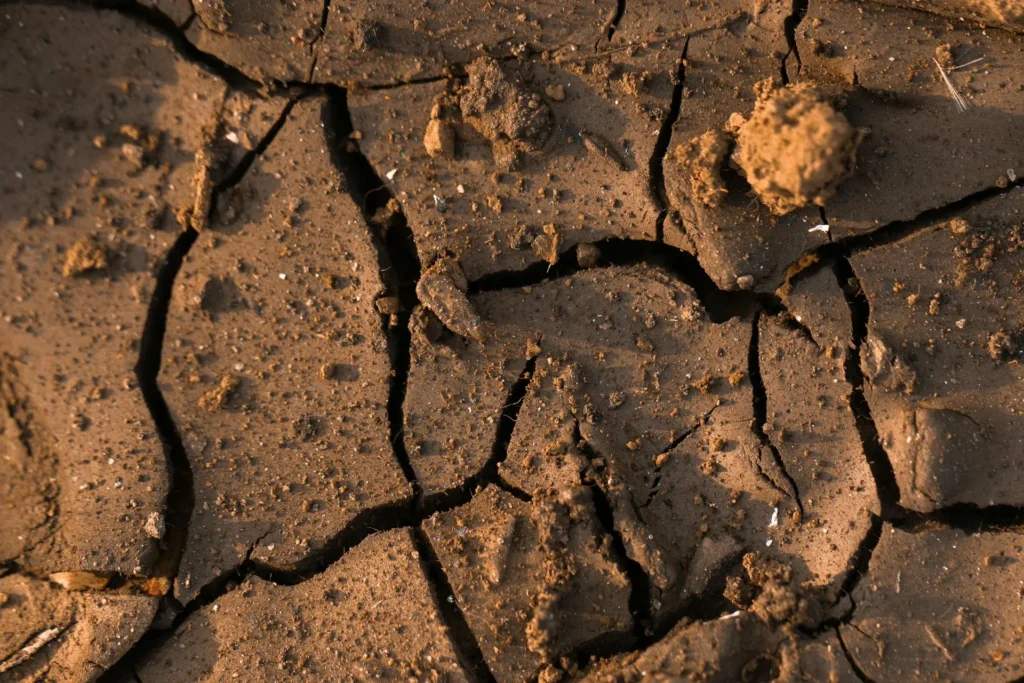
The technical term is “shrink-swell soil,” and the Dallas-Fort Worth metroplex, along with San Antonio, Austin, and Waco, are among the most affected regions in the United States. Texas has more foundation problems per capita than almost any other state, and expansive clay soil is the primary reason why.
Here’s the core issue: when clay absorbs water, it can expand up to 10 times its dry volume. When drought or heat pulls that moisture back out, it contracts just as dramatically. For your foundation, this constant movement is like living on top of a slow-motion earthquake, one that never stops.
The Seasonal Cycle That Never Gives Your Foundation a Break
For families in Fort Worth and across North Texas, the seasons aren’t just about weather, they’re about what’s happening beneath your home.
- Spring & Early Summer: Heavy rains saturate the soil. Clay expands, pushing upward against your slab or pier-and-beam foundation. You might notice doors that suddenly don’t close right, or small cracks appearing near window frames.
- Late Summer & Fall: The Texas heat bakes the moisture out of the soil. Clay contracts and pulls away from the foundation, leaving gaps. This is when you’re most likely to see visible cracks in the soil running alongside your home’s perimeter.
- Winter: Freeze-thaw cycles add another layer of stress. Water that seeped into existing cracks freezes, expands, and widens those cracks further.
Then spring comes again. And the cycle repeats. Over 10, 15, 20 years of this movement, even a well-built home can show serious signs of clay soil foundation damage, especially if drainage around the property hasn’t been properly managed.
Warning Signs That Expansive Clay Soil Is Affecting Your Home
Most homeowners don’t connect the dots until the damage is already significant. Here’s what to watch for:
- Sticking or misaligned doors and windows, one of the earliest signs of foundation movement.
- Diagonal cracks at the corners of door frames or windows, these follow the path of structural stress.
- Cracks in drywall or exterior brick, especially stair-step cracks in brick mortar.
- Uneven or sloping floors, noticeable when you roll a marble across the room.
- Gaps between walls and the ceiling or floor.
- Water pooling near the foundation after rain, a sign that drainage is directing moisture toward the structure instead of away from it.
- Visible soil separation from the foundation, a gap of even an inch during dry season is a warning sign.
Is your Fort Worth home showing any of these warning signs? Don’t wait until the damage gets worse. Our team at GL Hunt Foundation Repair offers professional assessments to help you understand what’s happening beneath your home. Get a free estimate today!
How Clay Soil Foundation Problems Affect Your Plumbing
Here’s something most homeowners don’t realize: foundation movement and plumbing problems are deeply connected.
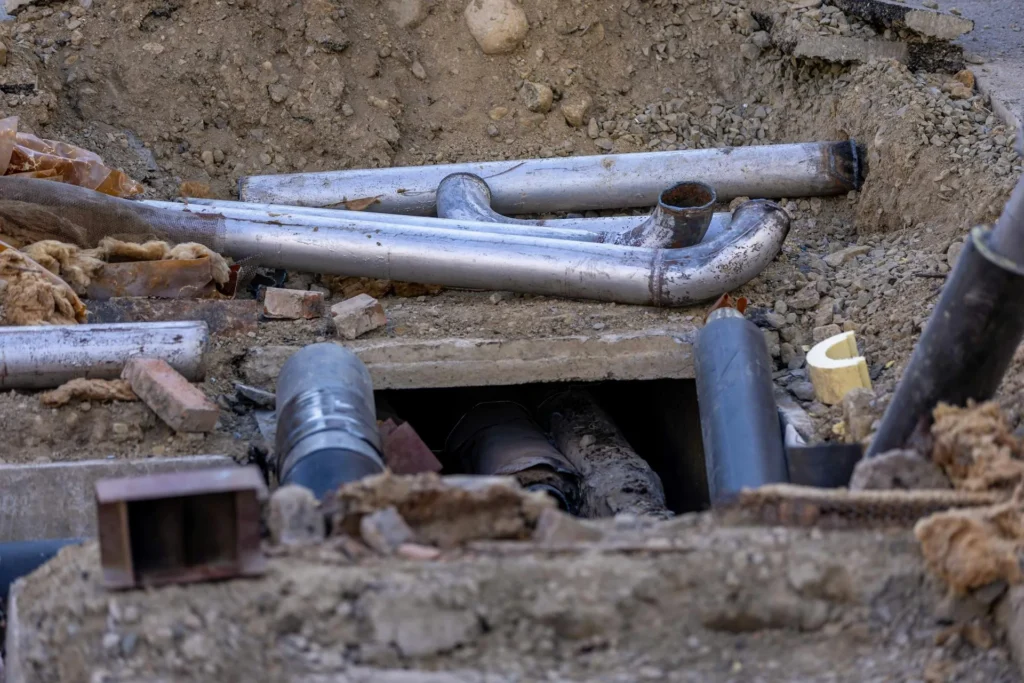
When your foundation shifts, even slightly, the pipes running beneath your slab shift with it. Over time, this leads to slab leaks, where underground pipes crack or separate under the pressure of shifting concrete.
It also causes drain line breaks, especially in older cast-iron or clay pipes that become brittle over time, water pressure issues caused by pipes that have been partially crushed or displaced, and slow drains throughout the home, often a sign of a belly in the drain line caused by soil settlement.
This is why unexplained wet spots on your floor, a sudden spike in your water bill, or the sound of running water when nothing is on should never be ignored. These can all be early signs of a slab leak in Fort Worth caused by soil movement beneath your foundation.
Conclusion
Texas clay soil isn’t going anywhere, it’s a permanent feature of the landscape beneath your home.
But understanding how expansive clay soil in Texas behaves through the seasons, and taking proactive steps to manage moisture around your foundation, can make the difference between a home that holds its value for generations and one that quietly deteriorates year after year.
For families in Fort Worth and across DFW, this isn’t a distant concern. It’s the ground you’re standing on, every single day.
Stay ahead of it, Call GL Hunt Foundation Repair.
FAQ
Why does Texas clay soil damage foundations?
Clay soil absorbs water and swells, then shrinks as it dries. This constant expansion and contraction creates movement beneath your foundation, gradually shifting and stressing your home’s structure over time.
Which Texas cities are most affected by expansive clay soil?
Fort Worth, Dallas, San Antonio, Austin, and Waco are the most affected. The DFW area is particularly vulnerable due to its clay-heavy soil formations and extreme swings between drought and heavy rain seasons.
How do I know if clay soil is damaging my foundation?
Watch for sticking doors and windows, diagonal cracks near frames, stair-step cracks in brick, uneven floors, gaps between walls and ceiling, and water pooling near the base of your home after rain.
Can clay soil foundation problems affect my plumbing?
Yes. Foundation shifts cause the pipes beneath your slab to move with it, leading to slab leaks, broken drain lines, low water pressure, and slow drains. Unexplained wet floors or rising water bills are common signs.
Related Articles
For more expert information about your foundation, crawl space and drainage needs, check out our helpful articles!

Common Foundation Problems
Do Houses On Hills Have Foundation Problems?
Quick Summary: Hillside Foundation Risks Hillside Homes Can Use Some Extra Attention Living in a…
Common Foundation Problems
How Do Expansive Soils In Dallas Affect My Foundation?
If you live in North Texas, you’ve probably noticed large cracks in the ground during…
Common Foundation Problems
How Does Dallas Weather Affect My Concrete Slab?
Foundation Damage From Weather If you live in Dallas, you know the saying: “If you…